The Science of Hydration: How Water Intake Affects Skin Nourishment
The Significance of Hydration for Skin Vitality
The human body is composed of about 60% water, making hydration essential for overall well-being. Among its many functions, water plays a crucial role in maintaining the health and appearance of our skin. But how does water intake directly impact skin nourishment? Let’s explore.
- Hydration Levels: Proper hydration helps maintain skin elasticity and suppleness by ensuring skin cells are adequately plumped with moisture. This is crucial for preventing sagging and the formation of fine lines. Well-hydrated skin not only looks healthier but also feels softer to the touch.
- Detoxification: Water is vital for flushing out toxins from the body. When the body is properly hydrated, it can efficiently eliminate waste through urine and sweat, reducing the chances of breakouts, dullness, and other skin issues associated with toxin buildup.
- Skin Barrier Function: Staying hydrated supports the skin’s natural barrier, which is essential for preventing moisture loss. This barrier helps protect the skin from external aggressors, including pollution and bacteria, leading to a more resilient complexion.
Research suggests that inadequate water intake can lead to dry, flaky, and even irritated skin. For instance, a study conducted by the Journal of Clinical and Aesthetic Dermatology found that individuals who increased their water consumption noticed improvements in skin hydration levels within a few weeks. Conversely, increasing your water consumption may enhance your skin’s ability to recover and rejuvenate. Here are some intriguing aspects of hydration:
- When dehydrated: Skin may appear more wrinkled and less radiant. A lack of moisture can result in a sallow complexion, emphasizing the signs of aging.
- Optimal water intake: Can improve circulation, delivering more nutrients to skin cells. This nutrient-rich blood flow helps with skin cell turnover and may promote an even skin tone.
- Age Factor: Older adults often require more water for skin health due to natural decreases in the skin’s ability to retain moisture. As we age, our skin’s natural lipid barrier diminishes, making hydration critical.
Furthermore, Americans are often advised to drink around 8 glasses of water a day, known as the “8×8 rule.” However, individual needs can vary based on climate, physical activity, and diet. Incorporating water-rich foods, such as cucumbers, oranges, and watermelon, into your diet can also contribute to your overall hydration levels. Understanding these principles of hydration can empower you to make informed choices about your water intake. Ready to dive deeper into the science of hydration?
DIVE DEEPER: Click here to discover more about tinted sunscreens
Understanding Hydration and Its Benefits for Skin Health
Hydration is not merely about quenching thirst; it is a fundamental aspect of maintaining overall health, particularly when it comes to the skin. Water intake plays a vital role in the skin’s ability to repair itself, maintain its barrier function, and preserve a youthful appearance. The link between hydration and skin health is supported by scientific research that highlights various mechanisms through which water influences our skin’s structure and function.
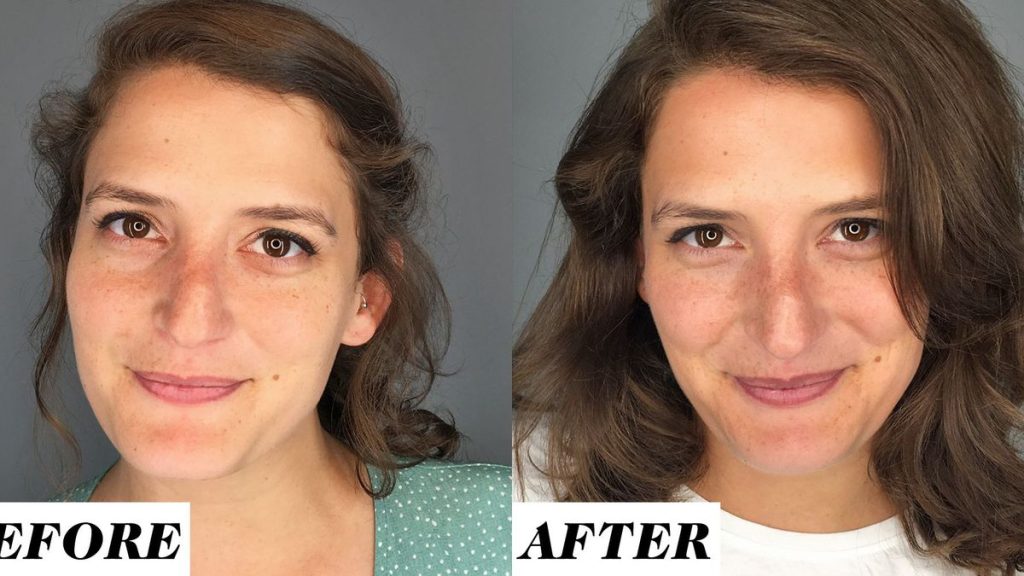
One of the primary functions of water in relation to skin health is its role in cellular hydration. Skin cells require moisture to remain plump and healthy. When adequately hydrated, skin cells swell with water, resulting in a firmer and more elastic skin texture. A 2016 review published in the Journal of Clinical, Cosmetic and Investigational Dermatology demonstrated that increasing water intake significantly enhances skin hydration and elasticity, suggesting that adequate water consumption can help reduce the appearance of fine lines and improve overall skin texture.
- Humidity levels: The level of humidity in the environment can affect how much water your skin loses. In low humidity, the skin can lose moisture rapidly, which is why it’s essential to bolster hydration during colder months or in dry climates.
- Hydration and breakouts: When the skin is dehydrated, it can trigger an increase in oil production, leading to clogged pores and potential breakouts. This cycle emphasizes the need for balanced water intake.
- Effects of caffeine and alcohol: Beverages like coffee and alcohol can have a diuretic effect, leading to increased fluid loss. Therefore, it’s essential to counterbalance these drinks with adequate water consumption to maintain skin hydration.
Moreover, maintaining hydration is not solely about drinking water. Various factors contribute to our skin’s hydration levels. Diet plays a pivotal role too. Foods rich in antioxidants, vitamins, and essential fatty acids can enhance hydration and combat oxidative stress, which can damage skin cells. For instance, foods like avocados, berries, and nuts provide not only hydration but also nutrients that promote skin vitality. The synergy of proper hydration and nutrition creates an environment for optimal skin health and rejuvenation.
Understanding that hydration acts as a fundamental pillar for skin nourishment can empower individuals to make informed choices about their daily water intake. While recommendations suggest an intake of around 64 ounces (or about 8 cups) per day for most adults, factors such as exercise, climate, and overall health can influence personal hydration needs. Staying mindful of hydration habits can set the foundation for radiant skin.
As we delve deeper into the intricate relationship between water consumption and skin nourishment, it’s important to recognize that staying hydrated is not the sole factor in achieving healthy skin. Let’s explore further how hydration complements other aspects of skincare and its overall impact on skin health.
The Role of Hydration in Skin Health
Understanding the intricate relationship between hydration and skin nourishment is essential for achieving radiant skin. When we consume adequate amounts of water, it plays a pivotal role in maintaining the skin’s moisture balance. Studies suggest that proper hydration can improve skin elasticity and reduce the appearance of fine lines and wrinkles. This is especially relevant as we age, as the skin tends to lose its natural moisture-retaining ability over time.Additionally, water serves as a vital transporter of nutrients throughout the body. Essential vitamins and minerals, particularly those beneficial for skin health such as vitamins A, C, and E, rely on water to reach the skin cells. Insufficient water intake can lead to dull, dry skin, exacerbating issues such as acne and eczema, which are often misunderstood as merely superficial problems. Moreover, hydration contributes to the skin’s natural barrier function, an essential aspect of healthy skin. A well-hydrated skin barrier effectively locks in moisture and protects against environmental stressors, helping to ward off skin damage from pollutants and UV rays. The implications are clear: ensuring consistent water intake can not only enhance skin health but also reinforce the skin’s defense mechanisms. Incorporating more hydrating foods into your diet can also make a significant difference. Fruits and vegetables with high water content, such as cucumbers, oranges, and strawberries, can contribute to overall hydration levels. This holistic approach to hydration shows great promise in promoting a luminous, healthy complexion. As we delve deeper into the science of hydration, we will uncover more captivating insights and practical tips on optimizing water intake for enhanced skin nourishment. Stay tuned as we explore the various ways hydration directly influences our skin’s appearance and health.
LEARN MORE: Click here to discover eco-friendly skincare solutions
The Synergy of Hydration and Skincare Products
While hydration through water intake is essential, it’s crucial to recognize how it interacts with external skincare products. Many individuals invest in high-quality moisturizers, serums, and treatments that promise to enhance skin health. However, without adequate hydration, these products may be less effective. Moisturizers, for example, work best when applied to well-hydrated skin. When skin lacks moisture, the permeability barriers can be compromised, preventing products from penetrating effectively and delivering their intended benefits.
Recent studies have illustrated that the efficacy of topical products greatly depends on the skin’s hydration status. A study in the Dermatology Research and Practice journal found that individuals with well-hydrated skin experienced greater absorption of active ingredients in topical treatments, such as vitamin C and hyaluronic acid. These ingredients are known for their anti-aging and hydration properties; however, they rely on the skin’s moisture levels to exert their positive effects.
- Humectants: Many skincare products contain humectants, such as glycerin and hyaluronic acid, that draw water into the skin. Using such products on dehydrated skin may lead to a paradox where they can draw moisture from deeper skin layers, further exacerbating dryness.
- Occlusives vs. Emollients: Knowing the difference between occlusive agents, which create a barrier to prevent moisture loss, and emollients, which soften and smooth the skin, is vital when selecting products. A hydrated skin barrier may respond better to both categories, enhancing overall hydration.
Interestingly, hydration is not solely about liquids or creams, but can also be influenced by the temperatures and conditions under which products are used. For instance, steam treatments can open pores and prepare the skin to absorb moisture and nutrients more effectively. Likewise, taking showers with hot water can strip the skin of its natural oils, leading to an increased need for hydration post-cleanse. Therefore, it’s essential to find balance in both skincare routines and hydration practices.
The Role of Hydration in Acne Management
Acne is often linked to dehydration, as dry skin can trigger overproduction of sebum, resulting in clogged pores. A consistent and intentional hydration strategy can mitigate these reactions. In a clinical trial published in the Journal of Investigative Dermatology, participants who maintained hydration levels reported fewer acne flare-ups compared to those with lower fluid intake. The hydration+acne relationship indicates that adequate water consumption may be an underrated factor in managing oily skin and preventing breakouts.
Even more compelling is the relationship between hydration and inflammatory skin conditions, including eczema and psoriasis. Research indicates that individuals with such conditions often have compromised skin barrier functions, making it even more crucial to maintain hydration levels. Integrating targeted drinks rich in omega-3 fatty acids, such as those found in fish oil, may foster a more robust response for individuals dealing with these conditions, supplementing water intake with anti-inflammatory properties.
As we uncover the complexities surrounding water intake and skincare, it’s evident that hydration is an intricate part of a comprehensive approach to skin nourishment that encompasses both internal and external factors. Recognizing these components can guide individuals in cultivating effective skincare rituals that lead to healthier skin.
DISCOVER MORE: Click here to learn about sustainable beauty
Conclusion: The Essential Link Between Hydration and Skin Health
In summary, it has become increasingly clear that hydration plays a vital role in skin nourishment and overall health. The intricate relationship between water intake and skin vitality emphasizes that beauty extends beyond topical treatments; it begins from within. A well-hydrated body not only supports the skin’s structure and function but also enhances the efficacy of skincare products. By understanding the science behind hydration, individuals can make informed decisions about their skincare routines.
Moreover, the impact of hydration on skin conditions such as acne and eczema highlights the importance of addressing internal factors in skincare strategies. Research consistently demonstrates that adequate water intake can lead to improved skin barrier function and reduced inflammation, ultimately fostering healthier skin. As modern skincare continues to evolve, the integration of hydration-focused practices becomes more essential, inviting individuals to explore innovative methods of increasing moisture levels.
Ultimately, a holistic approach to skincare that harmonizes water intake with topical applications is key to achieving lasting beauty and skin health. From experimenting with hydration-rich diets to choosing the right skincare formulations, every small adjustment can have profound effects. As you embark on your journey towards better skin, remember: hydration is not just a necessity but a foundational element of nurturing a radiant complexion. By prioritizing hydration, you unlock the potential for vibrant, nourished skin that reflects your overall wellness.