
The Role of Probiotics in Enhancing the Skin Microbiome for Optimal Nourishment
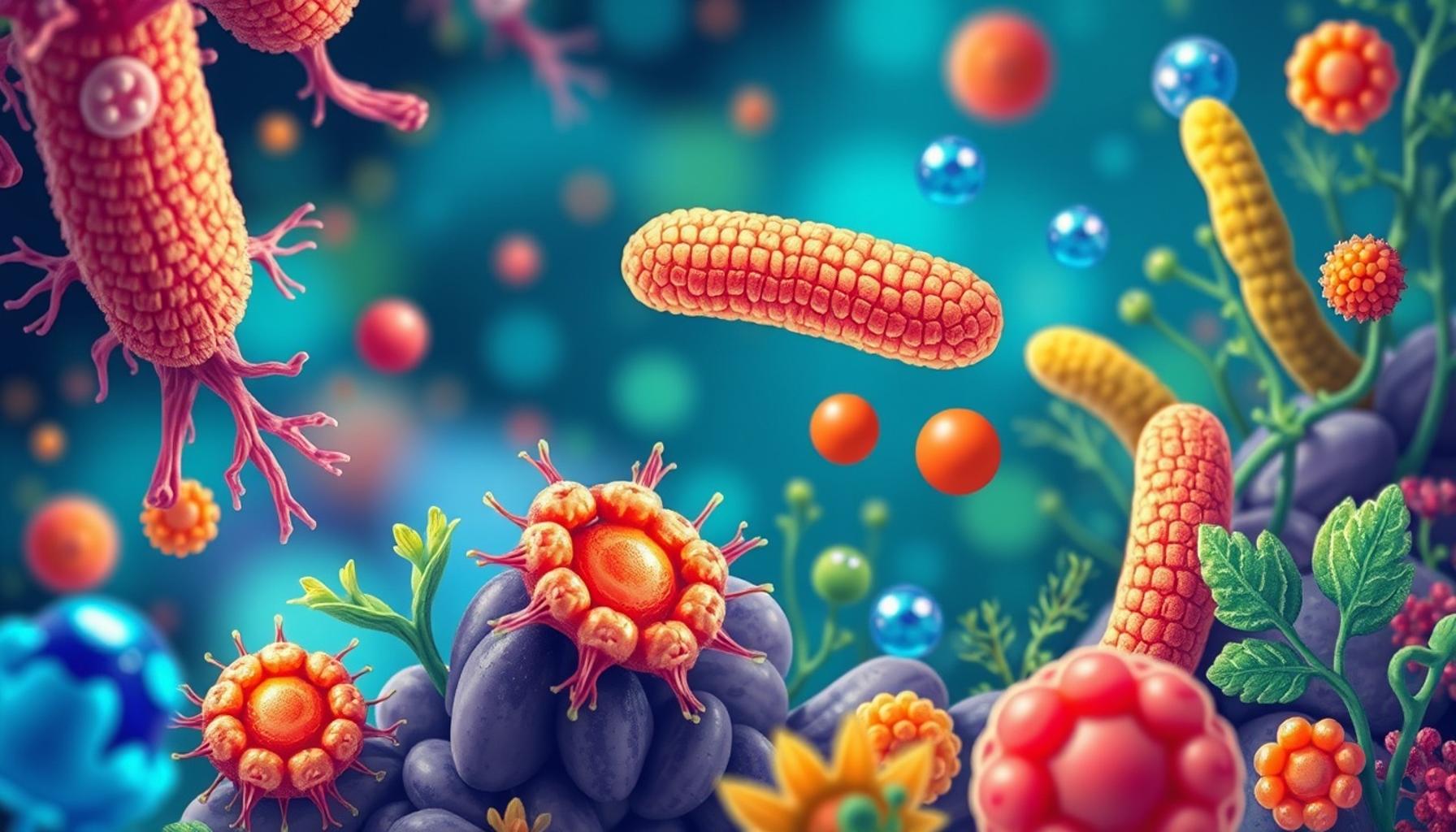
A Deep Dive into the Skin Microbiome and Probiotics
Recent research has unveiled a compelling link between probiotics and the skin microbiome, sparking an increasing interest in skin health among scientists and skincare enthusiasts alike. The skin microbiome, a complex ecosystem teeming with microorganisms, plays an essential role in skin well-being. It not only influences the skin’s moisture levels but also its overall resilience to a variety of skin conditions. As we expand our understanding of this intricate relationship, we uncover the significant benefits that these beneficial bacteria can provide.
Skin Barrier Function
A balanced skin microbiome is pivotal for maintaining a robust skin barrier. This barrier acts as the skin’s first line of defense against environmental aggressors such as pollution, UV radiation, and pathogens. When the microbiome is disrupted, it can lead to conditions like dryness, irritation, and even infections. Probiotics support the skin barrier by promoting the growth of beneficial bacteria that enhance the barrier’s integrity. For instance, products containing Lactobacillus plantarum have been shown to improve skin barrier function, helping users experience fewer breakouts and a more even complexion.
Inflammation Regulation
Inflammation is a common underlying factor in various skin conditions, including acne, eczema, and rosacea. Probiotics can play a role in managing these inflammatory responses. By modulating the immune response and decreasing pro-inflammatory cytokines, probiotics may help reduce the severity of acne flare-ups and the redness associated with rosacea. For example, topical skincare products that incorporate probiotics have started gaining traction in the U.S. market, showing promising results in alleviating these skin issues while maintaining a healthy microbial balance.
Hydration Maintenance
An often overlooked benefit of maintaining a healthy skin microbiome is its role in hydration. Healthy skin microbes can help the skin retain moisture more effectively, which leads to improved elasticity and a visibly smoother texture. Ingredients derived from fermented sources, like yogurt or kefir, are gaining popularity in formulations that target hydration. By nourishing the skin with these probiotic-rich ingredients, individuals may find their complexions transformed, appearing plumper and more youthful.
Exploring the Potential of Probiotics in Skincare
The relationship between probiotics and skin health offers promising avenues for both consumers and industry professionals. As interest grows, researchers are delving deeper into how these microorganisms interact with various skin types. This expanding field of study not only paves the way for innovative skincare products but also encourages individuals to consider their skin as a living ecosystem that requires careful nurturing.

While the benefits are numerous, understanding how to effectively harness these organisms remains essential for optimal results. With a wealth of studies on the horizon, the beauty industry is excited about how this knowledge could transform skincare regimens, empowering consumers to make informed decisions while fostering healthier skin.
As we continue to navigate this uncharted territory, it becomes evident that the conversation surrounding the skin microbiome and probiotics is just beginning, promising a future rich with possibilities for truly personalized skincare solutions.
DISCOVER MORE: Click here to delve into the benefits of essential oils in skincare
Understanding the Mechanisms Behind Probiotics and Skin Health
The power of probiotics lies in their ability to positively impact the skin microbiome through various mechanisms that enhance overall skin health. The intricate relationship between these beneficial bacteria and the skin is becoming a focal point for dermatologists and skincare experts alike. By investigating how probiotics operate, we gain insight into how they can be effectively incorporated into skincare routines for optimal nourishment.
The Microflora Landscape
The skin hosts a diverse range of microorganisms, including bacteria, fungi, and viruses, collectively known as the skin microbiota. This microflora plays a vital role in determining the health of your skin. A balanced microbiota contributes to maintaining skin pH, regulating oil production, and defending against harmful pathogens. Probiotics function by introducing live beneficial bacteria or their byproducts into the skin environment, helping to restore balance when disrupted.
Enhancing Skin Resilience
One of the intriguing advantages of using probiotics in skincare is their ability to enhance skin resilience. By fostering a healthy microbial environment, these organisms can fortify the skin’s defenses beyond just the physical barrier. Here are a few ways probiotics help increase skin resilience:
- Microbial Competition: Probiotics compete with harmful bacteria for resources, effectively crowding out potential pathogens that can lead to infections or inflammation.
- Metabolite Production: Through fermentation processes, probiotics produce beneficial metabolites, such as short-chain fatty acids, which can nourish skin cells and support overall skin function.
- Strengthening Immune Response: Probiotics bolster the skin’s immune system by promoting the production of defensins, antimicrobial peptides that help ward off skin disorders.
Antioxidant Properties
In addition to bolstering skin structure, probiotics exhibit antioxidant properties that can combat oxidative stress, a significant factor in skin aging and degeneration. The application of probiotic-rich products can lead to reduced oxidative damage, helping to prevent premature aging and skin conditions like hyperpigmentation and wrinkles. By rendering the skin more resilient to environmental stressors, such as pollution and UV exposure, probiotics can ultimately enhance the skin’s appearance.
As we continue to explore the mechanisms through which probiotics affect the skin microbiome, the potential for transformative skincare products expands. Scientific studies indicate that formulating products that incorporate specific strains, such as Lactobacillus rhamnosus and Streptococcus thermophilus, can deliver targeted benefits for various skin types and conditions.
In the ever-evolving landscape of skincare, embracing the potential of probiotics opens up new avenues for nourishing and revitalizing the skin. Understanding these underlying mechanisms allows consumers to make informed choices, steering them toward innovative solutions that cater to their unique skincare needs.
As we delve deeper into the fascinating intersection of probiotics and the skin microbiome, it becomes essential to understand the mechanisms through which these beneficial bacteria exert their effects. The skin microbiome, a diverse community of microorganisms residing on our skin, plays a critical role in maintaining skin health and protecting against various dermatological conditions. Disruptions to this microbiome can lead to issues such as eczema, acne, and psoriasis. Probiotics can help restore balance by enhancing the skin’s barrier function and modulating inflammatory responses.
Research shows that certain strains of probiotics, such as Lactobacillus and Bifidobacterium, can improve skin hydration and elasticity by promoting the production of natural moisturizing factors. These strains can also combat harmful pathogens, lessening the risk of infection and irritation. Additionally, probiotics help in reducing skin sensitivity, making them a valuable ally for those dealing with conditions like rosacea and general redness.
Moreover, the use of probiotic-rich skincare products is gaining traction. These formulations are increasingly favored for their potential to foster a healthy skin environment, ultimately leading to improved overall appearance. The inclusion of probiotics in topical applications can stimulate the skin’s immune responses and strengthen its defenses against environmental aggressors.
As the popularity of the microbiome-centric approach continues to grow, it is evident that integrating probiotics into skincare regimens may not just be a passing trend, but a pivotal step toward achieving optimal skin health. The more we understand about how probiotics influence skin nourishment, the better equipped we are to use them effectively for healthier, more resilient skin.
| Category | Benefits |
|---|---|
| Skin Hydration | Probiotics enhance natural moisture levels, leading to supple skin. |
| Inflammatory Response | Help in reducing redness and irritation associated with skin conditions. |
Through these highlighted benefits, the role of probiotics becomes even more critical in the ongoing pursuit of optimal skin nourishment, offering a promising avenue for further exploration and application in dermatology.
DIVE DEEPER: Click here to uncover the secrets of youthful radiance
Probiotics and the Skin’s Healing Process
Aside from enhancing resilience and providing antioxidant benefits, probiotics play a crucial role in the healing process of the skin, particularly in the aftermath of damage caused by acne, eczema, or environmental factors. By catalyzing restorative actions within the skin, probiotics can help restore equilibrium and facilitate the regeneration of damaged tissues.
Accelerating Wound Healing
Research has shown that probiotics can significantly accelerate the wound healing process. They achieve this by promoting epithelial cell proliferation, which is essential for repairing the skin barrier. A study published in the *Journal of Investigative Dermatology* found that topical application of Lactobacillus plantarum improved healing rates of wounds in animal models. The growth factors produced by these beneficial bacteria encourage new tissue formation, leading to quicker recovery, and reducing scarring from injuries.
Regulating Inflammatory Responses
The inflammatory response plays a pivotal role in various skin conditions. Excessive inflammation can lead to complications, while an inadequate response may hamper healing. Probiotics help regulate this intricate balance by producing anti-inflammatory substances such as cytokines and other signaling molecules. These compounds assist in calming the skin, reducing redness, and alleviating discomfort associated with inflammatory skin conditions such as psoriasis and dermatitis.
Individualized Skincare Solutions
As the understanding of probiotics expands, so too does the ability to tailor skincare products to meet individual needs. Different strains of probiotics serve unique functions, making them suitable for a variety of skin types and conditions. For instance, Bifidobacterium bifidum is known to enhance moisture retention, making it ideal for those with dry skin, whereas Lactobacillus curvatus is particularly effective against acne, as it helps rebalance skin oils and reduce breakouts.
Moreover, research continues to explore the synergistic effects of combining multiple probiotic strains within formulations. This approach, often referred to as “multi-strain therapy,” can potentially offer a comprehensive solution to multifaceted skin issues, catering to both the microbiome balance and overall skin health.
The Role of Prebiotics in Amplifying Probiotic Benefits
To maximize the benefits of probiotics, skincare formulations increasingly incorporate prebiotics, which are non-digestible fibers that feed the beneficial bacteria, promoting their growth and activity on the skin. Ingredients such as inulin and fructooligosaccharides can enhance the performance of probiotics, ensuring they thrive in the harsh environment of the skin. This synergistic relationship creates a supportive environment, bolstering the skin microbiome’s natural defenses and improving overall skin nourishment.
With an increasing number of products entering the market emphasizing their probiotic content, consumers are encouraged to read labels and seek formulations backed by scientific research. Understanding the different strains and their advantages allows individuals to select products that not only cater to their specific skin types but also align with their health-oriented lifestyles. As studies continue to emerge on the topic, the future of probiotic-enhanced skincare looks promising, inviting a deeper exploration into this innovative fusion of microbiome science and dermatology.
DISCOVER MORE: Click here for insights on at-home facial treatments
Conclusion: Unlocking the Potential of Probiotics for Skin Health
In the quest for radiant and healthy skin, probiotics are proving to be invaluable allies, fundamentally transforming how we approach skincare. By enhancing the skin microbiome, these beneficial microorganisms provide a multifaceted approach to skin health, addressing issues ranging from inflammation and healing to hydration and balance. The capacity of probiotics to speed up wound healing and regulate inflammatory responses opens exciting avenues for treating chronic skin conditions like acne and eczema.
Moreover, the interplay between probiotics and prebiotics can’t be overlooked, as this dynamic duo not only nurtures the skin’s defenses but also amplifies nutrient absorption, leading to optimal nourishment. With a growing array of innovative products designed to cater to specific needs, such as moisture retention and oil balance, individuals now have the opportunity to curate personalized skincare regimens.
As research continues to unveil the complexities of the skin microbiome, consumers are encouraged to stay informed, focusing on formulations that are scientifically backed and tailored to their unique skin types. The future of skincare lies in this understanding, where the marriage of microbiome science and dermatological innovation presents a promising frontier. By embracing the role of probiotics in skincare, individuals can foster healthier skin from within, ultimately redefining beauty through nourishment and balance.