
The Impact of Pollution on the Skin and Its Consequences for Aging

Understanding Pollution’s Toll on Our Skin
Every day, we’re exposed to an array of environmental pollutants that silently impact our skin health. From industrial emissions and vehicle exhaust to household chemicals, the air we breathe is teeming with particles that can damage our skin over time. Recognizing these impacts is essential for anyone aiming to maintain youthful and radiant skin, especially in urban areas where pollution levels can be particularly high.
The skin, often referred to as our body’s largest organ, serves as a critical barrier against environmental threats. It responds to pollutants in various ways, leading to a multitude of skin issues. Let’s explore some significant pollutants that contribute to skin damage:
- Particulate Matter (PM): These incredibly fine particles can penetrate the skin and lead to inflammation, exacerbating conditions such as acne and eczema. Studies have shown that high PM levels can correlate with increased hospital visits for skin-related issues.
- Heavy Metals: Substances like lead and mercury are not only found in certain cosmetics but also in the air due to industrial emissions. These metals can disrupt essential skin cellular functions, potentially resulting in skin discoloration and longer-term damage.
- Ultraviolet (UV) Radiation: While UV rays from sunlight are a well-known risk factor for skin cancer, they also accelerate the aging process. Overexposure can lead to collagen breakdown, causing premature aging symptoms such as fine lines and wrinkles.
The consequences of pollution extend far beyond immediate skin irritation. Chronic exposure can lead to significant skin changes and aesthetic concerns, characterized by:
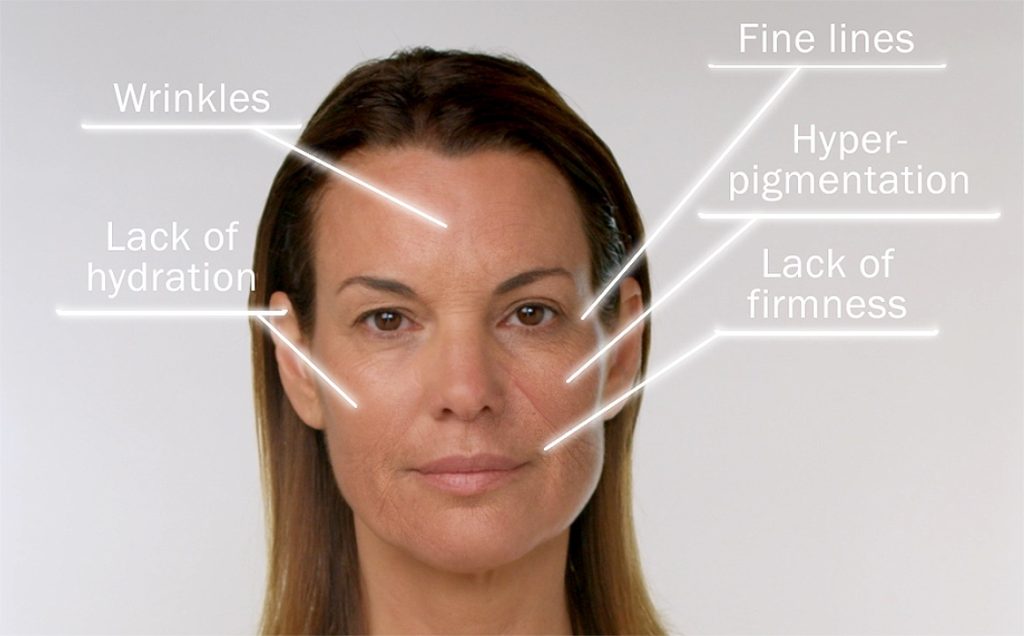
- Fine Lines and Wrinkles: The loss of skin elasticity, previously firm and youthful, can be attributed to oxidative stress induced by pollutants.
- Uneven Skin Tone: Prolonged exposure to environmental toxins can lead to hyperpigmentation, manifesting as dark spots and uneven skin texture over time.
- Dull Complexion: The skin may lose its natural radiance and vitality, making it appear lifeless and lackluster.
Exploring the intricate relationship between pollution and skin aging unveils critical insights that can inform our skincare routines. Strategies to combat these effects include using antioxidant-rich products, employing broad-spectrum sunscreen, and maintaining a robust cleansing regimen to remove contaminants. By understanding and addressing the influence of pollution, individuals can fortify their skin against environmental damage and enhance their overall complexion.
Stay tuned as we delve deeper into effective ways to protect your skin from these detrimental effects, arming yourself with knowledge that empowers your skincare choices.
DISCOVER MORE: Click here to learn about herbal remedies
The Skin’s Response to Environmental Aggressors
Amidst our bustling lives, we often overlook the latent effects of exposure to pollution on our skin. The reality is that every day, our skin is confronted with pollutants that not only irritate its surface but also penetrate deeper layers, causing profound damage. The human skin, with its intricate structure, is remarkably resilient, yet it is not impervious to the onslaught of toxins found in our environment.
Understanding how pollutants affect our skin begins with recognizing the complex interactions at play. When pollutants come into contact with the skin, they can trigger various responses that lead to significant consequences. Here are some common types of pollution and their detrimental impacts on our skin:
- Airborne Pollutants: Compounds such as nitrogen dioxide and sulfur dioxide, prevalent in urban areas, can provoke skin inflammation and conditions like rosacea. Research indicates that long-term exposure can exacerbate the symptoms of acne and sensitive skin.
- Ozone: Ground-level ozone, a major component of smog, can lead to oxidative stress, damaging collagen and elastin fibers. This breakdown can precipitate premature aging signs, including sagging skin and increased wrinkles.
- Household Chemicals: Home products containing harsh chemicals, like certain cleaning supplies and air fresheners, can strip the skin’s natural oils, leading to irritation and dryness. This impairs the skin barrier, making it more susceptible to environmental attacks.
Moreover, the impact of pollution on skin health is compounded by lifestyle factors. Stress, poor diet, and inadequate hydration can lower skin resilience, making it less equipped to combat external aggressors. Consequently, the signs of aging become more pronounced and may appear prematurely, especially in those living in urban environments where pollution levels are notoriously high.
The outcomes of chronic exposure to pollution extend beyond superficial skin woes. Common manifestations can include:
- Increased Skin Sensitivity: Pollutants can weaken the skin barrier, leading to heightened reactions to products that were previously well tolerated.
- Accelerated Aging: The cumulative effect of various pollutants can hasten the aging process, with noticeable decreases in skin firmness and texture.
- Skin Disorders: Chronic exposure can trigger disorders such as contact dermatitis and psoriasis, displaying severe flakiness and redness that are both uncomfortable and unsightly.
As we delve into understanding these environmental impacts, it becomes clear that taking proactive steps is essential for preserving skin health. The ultimate goal should be to develop a skincare routine that not only addresses immediate concerns but also fortifies the skin against ongoing pollution-related damage.
In the following sections, we will share actionable strategies and products designed to protect and rejuvenate your skin, helping you stand resilient against the relentless impact of pollution.
| Category | Key Features/Characteristics |
|---|---|
| Environmental Pollution | Contains harmful chemicals like heavy metals, particulates, and toxins that interact with skin health. |
| Skin Aging | Accelerates wrinkles, fine lines, and hyperpigmentation due to oxidative stress and loss of elasticity. |
The skin, being the largest organ of the body, acts as a protective barrier against environmental threats. However, it is also the first point of contact with pollution, and thus, is significantly affected by these harmful agents. Elevated levels of particulate matter and toxic substances in the air can induce an inflammatory response in the skin, leading to various skin conditions, including acne and eczema. Moreover, prolonged exposure can lead to premature skin aging, as the skin loses its ability to repair DNA damage caused by harmful pollutants.It is crucial to note that pollution also disrupts the skin’s microbiome, which plays a vital role in maintaining its health. By damaging this delicate balance, pollution can allow pathogenic bacteria to invade, exacerbating skin issues. Furthermore, the effects of pollution can be compounded by lifestyle factors such as smoking and poor diet, which collectively contribute to the decline of skin health.Understanding the intricate connections between pollution and skin aging is essential for developing effective skincare strategies. The use of antioxidants and protective skincare products can be significant in combating the adverse effects of pollution, offering a proactive approach to preserving youthful skin. Engaging in routine cleansing and moisturizing can also mitigate some of the damaging impacts of environmental factors.
DISCOVER MORE: Click here to learn about the benefits of facial massages
The Long-Term Consequences of Pollution-Related Skin Damage
As the years pass, the effects of pollution on the skin can accumulate, manifesting in various ways that may not be immediately noticeable. Interestingly, experts reveal that the skin’s aging process is not solely dictated by genetics or time; rather, environmental factors play a crucial role. A recent study found that approximately 60% of visible aging signs can be attributed to extrinsic factors, including pollution, UV exposure, and lifestyle choices.
One significant aspect of pollution’s impact is its ability to accelerate the formation of free radicals. These unstable molecules result from environmental pollutants and can cause a chain reaction of cellular damage, leading to the breakdown of collagen and elastin—the proteins responsible for skin elasticity and firmness. Over time, this damage can result in a less youthful appearance, with the skin displaying a loss of volume, resilience, and an increase in fine lines. The alarming reality is that individuals residing in polluted urban areas report skin aging symptoms up to 10 years earlier than those living in cleaner environments.
The skin also bears the consequences of inflammation-induced by pollutants. Research has suggested that chronic inflammation can trigger a skin condition known as inflammaging, characterized by the gradual weakening of skin layers. This condition not only adds to the visibility of aging but also increases the likelihood of developing various skin disorders later in life. For instance, studies have shown a correlation between long-term exposure to particulate matter and the incidence of melasma, a condition that causes dark, discolored patches on the skin.
The Role of Antioxidants in Skin Defense
Given the profound impact of pollution on skin health, it becomes imperative to explore preventive measures. One effective way to combat pollution-related damage is through the application of antioxidants. These compounds help neutralize free radicals and reduce oxidative stress. Ingredients such as vitamin C, vitamin E, and coenzyme Q10 have been extensively studied for their protective properties. Incorporating products enriched with these antioxidants can enhance skin resilience and mitigate the visible impacts of pollution exposure.
Moreover, topical antioxidants not only help in fighting the damaging effects of pollution but also support the skin’s natural barrier. A healthy skin barrier is crucial for retaining moisture and protecting against environmental aggressors. Moisturizers rich in hyaluronic acid and ceramides are also recommended. Research indicates that maintaining adequate hydration can strengthen the skin’s defenses, making it less vulnerable to irritation and impervious to pollutants.
Skincare Routines Tailored for Urban Dwellers
For individuals living in polluted environments, adopting a thorough skincare routine can make a significant difference. A multi-step regimen that includes cleansing, exfoliating, and hydrating will aid in removing impurities and strengthening the skin barrier. Regular exfoliation, using gentle acids like salicylic or glycolic acid, helps in maintaining clear pores and preventing buildup from pollutants.
Additionally, sunscreen should be a non-negotiable part of any skincare routine. Many might think sunscreen is only necessary for sunny days, but it’s essential year-round, especially in urban settings plagued by pollution. Sunscreens containing physical blockers like zinc oxide or titanium dioxide can offer protection against both UV rays and environmental pollutants, acting as a physical barrier on the skin.
Understanding the multifaceted relationship between pollution and skin aging encourages individuals to prioritize their skin health actively. By being informed about the dangers and employing practical solutions, one can work towards maintaining not only a youthful appearance but overall skin vitality throughout their lives.
DISCOVER MORE: Click here to dive deeper
Conclusion: Navigating the Challenges of Pollution for Youthful Skin
In an era where urbanization is synonymous with progress, it becomes crucial to recognize the impact of pollution on skin health and its accelerating role in the aging process. The evidence is compelling: pollution-induced factors such as free radicals, chronic inflammation, and barrier compromise contribute significantly to premature skin aging. With studies revealing that individuals in polluted environments can exhibit signs of aging up to 10 years earlier than their counterparts in cleaner settings, the urgency for action becomes apparent.
Empowered by knowledge, urban dwellers can adopt tailored skincare routines that include strong defenses against pollution. Incorporating antioxidant-rich products, a rigorous cleansing regimen, and the non-negotiable application of sunscreen are essential steps toward preserving skin vitality. These strategies not only combat visible signs of aging but also bolster the skin’s resilience against environmental aggressors.
As we continue to navigate the complexities of modern living, staying informed and proactive in skincare practices can make a transformative difference. It is vital to recognize that while we may not control the pollution in our environments, we can take charge of our skincare choices. Ultimately, by prioritizing our skin health and embracing protective measures, we can work towards maintaining a youthful appearance and ensuring that our skin thrives amid the challenges posed by pollution.