Sun Protection and Skin Aging: How UV Rays Affect Your Complexion

Understanding the Impact of UV Rays
Every time you step outside, your skin faces a relentless adversary: ultraviolet (UV) rays. These invisible rays penetrate the skin and can have significant and lasting effects on your complexion, contributing not only to sunburn but also to long-term skin damage. It’s essential to be aware of the sun’s potential hazards as they can affect different skin types and tones with varying degrees of severity.
Although many people understand some immediate effects of sun exposure, such as redness and peeling, the impact on skin aging is often underappreciated. The harmful effects of UV rays extend well beyond the temporary discomfort of a sunburn. Here are a few key points to consider:
- Premature Aging: UV rays break down collagen and elastin, two proteins vital for maintaining skin elasticity and firmness. This degradation leads to wrinkles and fine lines, often giving the skin a prematurely aged appearance. For instance, studies indicate that individuals who frequently sunbathe show signs of aging a decade or more earlier than those who practice sun safety.
- Hyperpigmentation: Excess sun exposure can trigger the production of melanin, leading to dark spots and uneven skin tone, commonly referred to as sunspots or age spots. These changes can be particularly prominent on the face, hands, and shoulders—areas most exposed to sunlight.
- Skin Texture: Over time, continued exposure to UV rays can cause the skin to become rough, thickened, and leathery, resembling the texture of a worn-down leather handbag. This can be exacerbated in places like Florida or California, where the sun shines bright for most of the year.
The Importance of Sun Protection
Protecting your skin from harmful UV radiation is essential to maintaining its health and appearance. According to the American Academy of Dermatology, more than 90% of visible skin changes, including wrinkles and pigmentation issues, are attributed to sun exposure. Implementing robust sun protection strategies helps mitigate these detrimental effects and preserve your youthful glow.
As you continue reading, you will discover the significance of various protective measures, such as:
- Sunscreen Application Techniques: It’s critical to apply a broad-spectrum sunscreen with an SPF of at least 30, even on cloudy days. Proper application involves using about an ounce for full-body coverage and reapplying every two hours, or immediately after swimming or sweating.
- The Role of Clothing as Physical Barriers: Wearing protective clothing made from tightly woven fabrics and donning wide-brimmed hats can significantly reduce UV exposure. For example, swimwear that offers UV protection can safeguard your skin while enjoying beach activities.
- Seasonal Considerations for Sun Safety: Remember that UV rays can penetrate clouds and are just as potent in winter as they are in summer, especially in snowy locations that reflect sunlight. During summer, friend gatherings or vacations to the beach should include sun safety in discussions to prevent sunburns.
Your journey to healthier skin begins with understanding how to shield it from these detrimental effects. Discover how you can effectively protect your complexion and combat skin aging to maintain a luminous and youthful appearance for years to come.
DIVE DEEPER: Click here to discover the benefits of professional facial treatments
Unraveling the Science of UV Radiation
To fully appreciate the importance of sun protection in maintaining a youthful complexion, one must first delve into the science behind ultraviolet (UV) radiation. UV rays are categorized into two main types: UVA and UVB. UVA rays account for approximately 95% of the ultraviolet radiation reaching the Earth’s surface and are primarily responsible for skin aging and long-term skin damage. On the other hand, UVB rays, while less abundant, are the key players in causing sunburn and have also been linked to skin cancers.
As you bask in the sun, UVA rays penetrate deeply into the skin, wreaking havoc on the dermis, where collagen and elastin reside. This destruction leads to a loss of skin structure and can result in sagging, fine lines, and wrinkles—key indicators of aging. Research has demonstrated that individuals exposed to UVA radiation regularly may develop features of skin aging as much as 20 years earlier than their less-exposed counterparts.
Furthermore, the interplay between UV radiation and the skin’s natural defenses plays a significant role in complexion health. The skin’s outermost layer, the epidermis, contains melanin, a pigment that provides some protection against UV damage. However, excessive sun exposure overwhelms this natural defense, leading to increased melanin production and, ultimately, hyperpigmentation. This process not only contributes to uneven skin tone but also highlights the importance of consistent and effective sun protection.
Comprehensive Sun Protection Strategies
As the effects of UV exposure accumulate over time, taking proactive measures becomes essential for healthy skin. Here are several key strategies to incorporate into your daily routine that focus on sun protection:
- Daily Sunscreen Use: Regardless of the weather, applying a broad-spectrum sunscreen with an SPF of at least 30 is crucial. Look for products that protect against both UVA and UVB rays, allowing for comprehensive protection. Remember to apply sunscreen generously and reapply every two hours, especially if you are swimming or exercising.
- Seeking Shade: Whenever possible, avoid direct sunlight during peak hours, typically between 10 AM and 4 PM. This is when the sun’s rays are the strongest, making shade an invaluable ally in your sun protection arsenal.
- Elevating Fashion with UV-Blocking Clothing: Select clothing made from tightly woven fabrics that offer built-in UV protection. Many outdoor brands now feature swimwear, shirts, and hats designed specifically to block UV rays, allowing you to enjoy the sun while safeguarding your skin.
- Being Aware of Surprising Sources of UV Exposure: Many individuals overlook UV exposure in everyday activities, such as driving or enjoying an afternoon at the park. The reflection of UV rays off water, sand, and even concrete can intensify their effects, emphasizing the need for vigilant protection, not just at the beach.
Implementing these sun protection strategies not only helps combat skin aging but also fosters a deeper understanding of the importance of safeguarding your complexion against the harsh realities of UV radiation.
| Category | Details |
|---|---|
| Skin Damage | UV rays are a leading cause of premature skin aging, leading to wrinkles and age spots. |
| Health Risks | Prolonged exposure can increase the risk of skin cancer – a pressing reason to protect your skin. |
| Prevention | Regular use of broad-spectrum sunscreen can significantly mitigate UV damage. |
| Skin Health | Cultivating a skincare routine that includes antioxidants aids in fighting UV-induced skin damage. |
The relationship between UV rays and skin health is critical for anyone seeking to maintain their youthful complexion. Exposure to UV radiation not only accelerates skin aging but also contributes to various skin conditions, making sun protection essential. It is well-documented that over 90% of visible skin aging comes from UV exposure. The detrimental effects of UV radiation on the skin include the breakdown of collagen and elastin fibers, which form the structural foundation of your skin. This breakdown leads to the formation of fine lines and wrinkles that can appear much earlier in life than expected. Furthermore, UV rays can cause pigmentation irregularities, resulting in dark spots that affect overall skin tone.Additionally, too much exposure poses significant health risks, including an increased chance of skin cancer. Melanoma, the deadliest form of skin cancer, is largely attributed to UV exposure. Hence, safeguarding the skin goes beyond aesthetics—it is a pivotal health measure.Implementing protective strategies such as wearing sunscreen daily, even in overcast conditions, is vital. Incorporating a range of products fortified with antioxidants can also bolster the skin against the adverse effects of UV rays. By understanding the crucial link between sun protection and skin aging, individuals can make informed choices that encourage healthier, younger-looking skin.
DISCOVER MORE: Click here to learn about the psychological benefits of skincare
Understanding the Long-Term Impact of Sun Damage
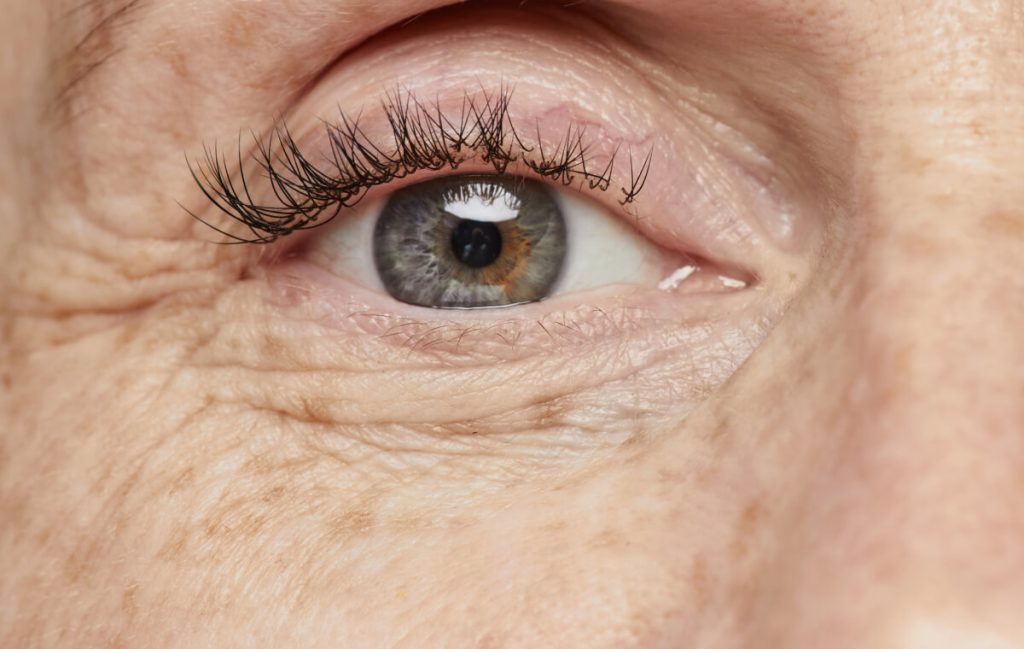
To truly grasp the need for consistent sun protection, it’s crucial to comprehend the long-term effects of UV exposure on skin health. The skin undergoes a complex aging process influenced significantly by solar radiation. Chronic exposure to the sun often leads to what dermatologists refer to as photoaging, a condition characterized by dry, leathery skin and the development of age spots. This can manifest as a combination of drooping eyelids, mottled pigmentation, rough texture, and deep wrinkles, all of which result from cumulative UV damage.
Statistics reveal that individuals who engage in frequent tanning—whether through natural sunlight or artificial tanning beds—can experience a heightened risk of skin lesions and melanoma. According to the Skin Cancer Foundation, one severe sunburn can increase the likelihood of developing melanoma by as much as 50% later in life. These findings highlight not only the immediate dangers of UV rays but also the insidious nature of their impact over the years.
The Role of Antioxidants in Combatting UV Damage
In addition to establishing active sun protection measures, strengthening the skin’s defenses via diet and topical applications can provide ancillary support against sun-induced aging. Antioxidants play an essential role in this process, as they neutralize free radicals generated by UV exposure. These unstable molecules can damage skin cells and accelerate the aging process. Foods rich in vitamins C and E, as well as selenium, can bolster the skin’s natural defenses and repair mechanisms.
Moreover, skincare products infused with antioxidants—such as serums containing green tea extract or vitamin C—have been shown to enhance the efficacy of sunscreens. These ingredients not only combat oxidative stress but also aid in reducing inflammation caused by UV exposure, enabling the skin to recover more efficiently from sun damage.
Professional Interventions for Sun-Damaged Skin
In conjunction with protective and preventive measures, individuals seeking to mitigate the effects of sun damage may consider professional treatments. Dermatological procedures, such as chemical peels, laser therapy, or microdermabrasion, can assist in rejuvenating skin and promoting a more even texture and tone. These treatments work by encouraging cellular turnover and stimulating collagen production in deeper skin layers, effectively addressing age spots, wrinkles, and skin laxity.
Interestingly, the American Academy of Dermatology emphasizes the importance of regular skin examinations to help catch any suspicious changes early. Catching skin issues promptly provides opportunities for intervention before things can progress to more severe conditions. This aspect of proactive skincare is a reflection of the understanding that sun damage is not merely cosmetic—it’s a significant health concern.
Future Directions in Sun Protection
As scientific knowledge and technology evolve, so too do the methods of sun protection. New formulations are emerging that incorporate innovative ingredients designed to protect against not just UV rays but also visible light and infrared radiation, which have their own skin aging effects. Additionally, wearable sun protection technology is beginning to make waves, with items like UV-detecting wearables that alert the user when they have exceeded safe sun exposure levels.
Continuous advancements in both protective products and understanding the relationship between UV exposure and skin aging can empower individuals to take informed actions towards their skincare regimens. Ultimately, fostering a culture of sun safety and education about the long-term implications of UV exposure is paramount in the fight against premature skin aging.
DISCOVER MORE: Click here for essential sunscreen facts
Conclusion
Understanding the intricate relationship between sun protection and skin aging is crucial for maintaining a youthful complexion over time. As we’ve explored, UV rays have a profound impact on skin health, leading to issues such as chronic photoaging and increasing the risk of serious skin conditions like melanoma. Establishing a comprehensive sun protection routine, which includes broad-spectrum sunscreens and protective clothing, can significantly reduce the harmful effects of sun exposure.
Incorporating antioxidants into your skincare regimen through diet and topical products will further enhance your skin’s ability to combat oxidative stress caused by UV radiation. Regular dermatological check-ups provide an important safety net, enabling early detection of potential skin issues, while professional treatments can help reverse visible signs of aging. As technology and research advance, new methods to protect the skin from not just UV radiation but other environmental stressors are emerging, empowering individuals to make proactive choices for their skin health.
Ultimately, fostering awareness and education about the long-term consequences of sun exposure is vital. By prioritizing sun safety as a key component of our daily routines, we not only preserve our skin’s vitality but also contribute to overall wellness. As we move forward, let us embrace the critical message that prevention is far more effective than treatment when it comes to the fight against premature aging and skin damage.