Natural vs. Chemical Sunscreens: Which is Best for Your Skin Type?

The Importance of Sunscreen Choices for Skincare
In the quest for healthy skin, selecting the right sunscreen is essential. With numerous options on the market, consumers often find themselves torn between natural and chemical sunscreens. Each type has unique characteristics that deserve scrutiny, as understanding these differences can significantly impact skin health and overall wellness.
Exploring Natural Sunscreens
Natural sunscreens are primarily mineral-based, leveraging ingredients like zinc oxide or titanium dioxide to create a protective barrier on the skin. These minerals work by reflecting and scattering harmful UV rays, offering broad-spectrum protection effortlessly. The main advantages of natural sunscreens include:
- Immediate protection upon application. Unlike chemical counterparts, natural sunscreens start working instantly, making them ideal for outdoor activities where immediate defense against sun exposure is necessary.
- Less likely to irritate sensitive skin. Many people with skin sensitivities or conditions like eczema or rosacea find that natural options cause fewer reactions, leading to a more comfortable experience.
- Frequently environmentally friendly and biodegradable. With rising concerns over coral reef degradation and marine life, many natural sunscreens are formulated without harmful chemicals, making them a more sustainable choice.
Understanding Chemical Sunscreens
Chemical sunscreens, on the other hand, utilize organic compounds such as avobenzone, octisalate, and octocrylene to absorb UV radiation, transforming it into heat and then releasing it from the skin. This category boasts several notable characteristics:
- Usually lighter and easier to apply. The texture of chemical sunscreens allows for a smoother application, which many users find appealing, especially for everyday use or under makeup.
- Needs about 20 minutes to take effect. This delayed reaction means planning is essential; applying it just before sun exposure may not provide adequate protection.
- May cause irritation for some skin types. People with sensitive skin or allergies might experience breakouts or irritation if they choose the wrong formula.
When considering which type of sunscreen suits your needs, understanding your skin type is paramount. For example, if you have oily or acne-prone skin, you may prefer a lightweight chemical sunscreen that won’t clog pores. Conversely, if your skin is dry or sensitive, a mineral-based option may be more beneficial.
Testing different products can also be enlightening; many companies now offer sample sizes, allowing consumers to gauge how their skin reacts before investing in a full-sized product. Ultimately, the decision between natural and chemical sunscreens should be informed by personal experiences, lifestyle choices, and skin assessments.
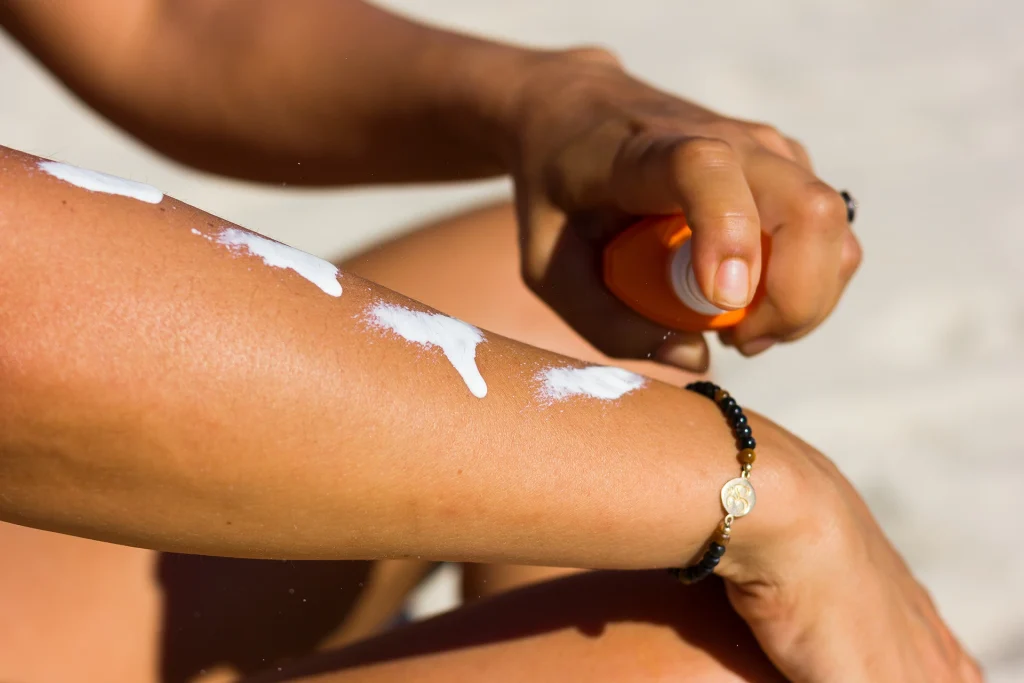
By educating yourself on the various formulations and their impacts, you empower yourself to make informed choices that enhance your skincare routine while protecting your skin against the sun’s harmful rays.
DISCOVER MORE: Click here to learn about the evolution of sun protection
Deciphering the Key Differences Between Natural and Chemical Sunscreens
When it comes to sunscreen options, the divide between natural and chemical formulations may raise important questions about effectiveness, skin compatibility, and safety. Both types play essential roles in sun protection, especially in a country like the United States where sun exposure can lead to skin damage and increased risk of skin cancer. However, making the right choice often depends on the nuances that set them apart.
Ingredient Composition and Mechanism of Action
Natural sunscreens typically contain mineral filters, like zinc oxide and titanium dioxide, which provide physical UV protection by sitting on the skin’s surface. They act by reflecting UV rays, creating a barrier that prevents them from penetrating the skin. Conversely, chemical sunscreens convey their protective capabilities through organic compounds, such as oxybenzone and octinoxate, which absorb UV rays and transform them into harmless heat. Understanding how these ingredients interact with the skin can help consumers tailor their sunscreen choices effectively.
Skin Types and Compatibility
Choosing the right sunscreen is inextricably linked to understanding individual skin types. Here are key considerations:
- Oily or Acne-Prone Skin: For those dealing with excess oil production, chemical sunscreens may offer a lightweight, matte finish that helps minimize shine. However, they must ensure the formula is non-comedogenic—meaning it will not clog pores. Natural sunscreen users may struggle with a heavy or greasy residue.
- Sensitive Skin: Individuals with delicate skin should gravitate towards natural sunscreens, as they are less likely to provoke irritation or allergic reactions. Their mineral ingredients are generally considered hypoallergenic, making them suitable for conditions like eczema.
- Dry Skin: Since some chemical formulas contain moisturizing properties, they may benefit those with dry skin by providing hydration alongside sun protection. However, natural sunscreens often include nourishing ingredients like aloe vera or coconut oil, which can also aid in moisture retention.
Performance Under Different Conditions
Another important factor in the natural vs. chemical sunscreen debate is how each type performs under various conditions. Natural sunscreens often offer immediate protection upon application, perfect for spontaneous outdoor activities. In contrast, chemical sunscreens require about 20 minutes to adequately absorb and activate, leading to potential risks if applied too late. Additionally, chemical sunscreens may struggle with efficacy when exposed to sweat or water, while many mineral options boast water-resistant claims, making them suitable for prolonged activity in the sun.
Ultimately, when navigating the labyrinth of sunscreen options, consumers must weigh each type’s ingredients, formulation, and overall compatibility with their unique skin challenges. As the quest for sun safety continues, arming oneself with knowledge paves the way for making informed choices that prioritize both skin health and protection.
Understanding Sunscreen Ingredients
When it comes to choosing the right sunscreen for your skin type, understanding the ingredients is crucial. Sunscreens generally fall into two categories: natural and chemical. Each serves the primary purpose of protecting your skin from harmful UV rays, but the way they work and their effects on the skin can differ significantly.
Natural Sunscreens
Natural or mineral sunscreens contain active mineral ingredients like zinc oxide and titanium dioxide. These minerals sit on top of the skin and physically block UV radiation. They are often considered a better option for sensitive skin types or for those prone to conditions like acne or rosacea. Natural sunscreens are typically free of synthetic chemicals, fragrances, and parabens, making them a gentler alternative.Another advantage is that natural sunscreens often come with additional skin-friendly ingredients, such as antioxidants and botanical extracts that may help soothe the skin while providing sun protection. However, many users find them to leave a white cast on the skin due to the mineral nature of the active ingredients, which requires consideration, especially for those with darker skin tones.
Chemical Sunscreens
On the other hand, chemical sunscreens use organic compounds such as avobenzone, octisalate, and octocrylene, which absorb UV rays and convert them into heat, preventing the rays from penetrating the skin. These formulations are generally more cosmetically elegant, often blending in well without a noticeable residue. For individuals with normal to oily skin, chemical sunscreens may feel lighter and less greasy.Nevertheless, chemical sunscreens can cause irritation or allergic reactions in sensitive individuals. Some ingredients in chemical sunscreens have been linked to concerns regarding their safety and potential hormonal disruptions, raising questions about their overall suitability.
Choosing the Right Sunscreen for Your Skin Type
Your skin type plays a significant role in determining the best sunscreen for you. If you have dry or sensitive skin, a natural sunscreen may be the best choice due to its gentler formula and added nourishing ingredients. Alternatively, those with oily skin could benefit from the lighter feel of chemical sunscreens. It’s also essential to consider your lifestyle. If you are frequently outdoors or engaging in water-based activities, look for water-resistant formulations to ensure prolonged protection. Remember, irrespective of the type, the broad spectrum protection that UVA and UVB rays provide is critical in preventing premature aging and skin cancers. Always opt for a minimum SPF of 30 for daily wear and reapply every two hours when in direct sunlight.
DISCOVER MORE: Click here to dive into the latest sun protection trends
Choosing the Right Application: Forms and Usage
Understanding the various forms that sunscreens come in can further enhance your choices. Both natural and chemical sunscreens are available in formulations such as creams, sprays, gels, and sticks. Each has unique benefits that cater to specific needs, making the choice not just a matter of type, but also of form.
Application Convenience
Creams, often dense and robust, are excellent for dry skin, providing a thick layer of moisture while also delivering sun protection. On the other hand, spray sunscreens tend to feel lighter and are especially appealing for quick application. However, it’s crucial to ensure full coverage when using sprays, as the potential for missed spots can increase with their fast-drying formula. Many consumers find that chemical sprays settle quickly on the skin, while natural mineral sprays can sometimes leave a visible white cast, necessitating diligent blending.
Sun Protection Factor (SPF) Understanding
When evaluating both types of sunscreens, it’s vital to look at the Sun Protection Factor (SPF) rating. This measurement indicates the level of protection against UVB rays, which are primarily responsible for sunburn and contribute to skin cancer. Natural sunscreens typically boast an SPF that can range widely but often utilize a combination of active mineral ingredients to achieve desired levels of protection. Conversely, chemical sunscreens present a more flexible range of SPF options by utilizing various active ingredients to provide enhanced protection.
However, it’s essential for consumers to recognize that SPF isn’t the whole story. Broad-spectrum protection is critical, encompassing both UVB and UVA rays. UVA rays penetrate deeper into the skin, leading to premature aging and increasing the risk of melanoma. Therefore, choosing a broad-spectrum formulation is crucial, regardless of whether you opt for a natural or chemical sunscreen.
Environmental Considerations
In recent years, environmental issues surrounding sunscreen ingredients have garnered significant attention. Some chemical sunscreens have been linked to coral reef damage, prompting locations like Hawaii and certain Caribbean islands to implement bans on specific harmful chemicals. This has sparked a surge in interest in natural sunscreens, which are often marketed as reef-safe due to their mineral composition. Consumers concerned about their environmental impact might gravitate towards these options, believing that they are contributing to a healthier planet while protecting their skin.
Cost Considerations
Financial factors also play a role in sunscreen selection. While natural sunscreens usually carry a higher price tag due to the quality of ingredients and eco-friendly packaging, many users believe that the investment is justified for both health and environmental reasons. Chemical sunscreens are often more budget-friendly, making them accessible to a wider audience. However, the long-term costs associated with skin damage from inadequate sun protection may counterbalance the initial savings.
As consumers dive deeper into the realm of sunscreen selection, they should weigh the myriad factors at play, including application methods, SPF ratings, environmental implications, and cost. Each element contributes to making the most informed choice in sun protection tailored to individual skin types and lifestyle preferences.
DIVE DEEPER: Click here to discover the benefits of essential oils in skincare
Conclusion: Navigating Your Sunscreen Choices
The debate between natural and chemical sunscreens continues to evolve, reflecting a growing awareness of skincare and environmental impacts. Ultimately, the decision on which sunscreen is best for your skin type is deeply personal, influenced by factors such as skin sensitivity, lifestyle, application preferences, and environmental concerns.
Natural sunscreens stand out for their mineral-based ingredients and environmentally friendly image. They are often favored by individuals with sensitive skin or those looking to minimize their chemical exposure. However, their thicker consistency and potential for white cast on the skin may not appeal to everyone. Alternatively, chemical sunscreens provide lightweight and versatile options, with a wider range of SPF choices, suitable for active lifestyles, ensuring broad-spectrum protection when applied correctly.
In addition to considering your skin type, it’s essential to incorporate factors such as SPF ratings, application methods, and even the environmental footprint of your selected product. With increasing awareness about reef safety, many consumers find themselves swayed towards natural options, contributing positively to ocean conservation efforts.
In conclusion, there is no one-size-fits-all answer. To make the most informed choice, evaluate your unique skin needs, daily activities, and values regarding sustainability. Whether you choose a natural or chemical sunscreen, prioritizing daily sun protection is essential for maintaining healthy skin and preventing long-term damage. Embrace your skincare journey by experimenting with different formulations and remain vigilant about applying sunscreen regularly for optimal protection.