Natural Oils vs. Synthetic Moisturizers: Which is Better for Skin Nourishment?

Diving Deeper into Skin Nourishment Choices
In today’s beautification industry, consumers are faced with a plethora of options when it comes to skin nourishment. The choice between natural oils and synthetic moisturizers poses intriguing questions about health, efficacy, and environmental impact. Understanding these two categories of skincare products can empower consumers to select what truly nourishes their skin.
- Natural Oils:
- Extracted from a variety of sources such as plants, seeds, and nuts, natural oils have been used in skincare for centuries.
- They are typically rich in antioxidants and essential fatty acids that can help to neutralize free radicals and promote skin hydration.
- Examples of popular natural oils include:
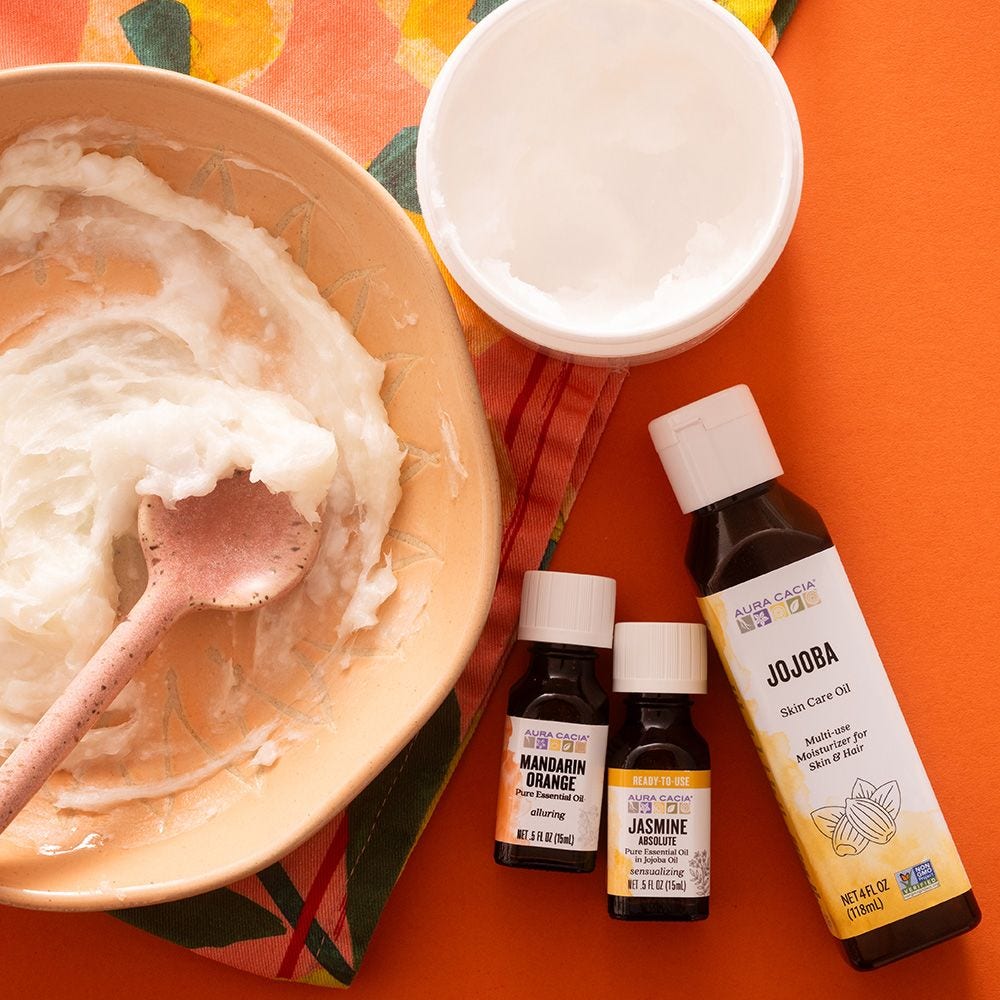
- Jojoba oil: Known for its similarity to the skin’s natural sebum, this oil deeply penetrates the skin, making it an excellent choice for both dry and oily skin types.
- Argan oil: Often referred to as “liquid gold,” it is loaded with vitamin E and fatty acids, making it a powerful hydrator that can improve elasticity and reduce the appearance of wrinkles.
- Coconut oil: With its antimicrobial properties, this versatile oil is not only a moisturizer but also helps to protect against harmful bacteria while providing a soothing effect on the skin.
- Synthetic Moisturizers:
- Manufactured in laboratories, synthetic moisturizers are composed of various chemical compounds specifically designed to address targeted skin issues.
- They can provide quick, pronounced results due to their concentrated formulations, which makes them appealing to individuals seeking rapid fixes.
- Common examples include:
- Glycerin: A humectant that draws moisture from the air into the skin, glycerin is a staple in many skincare products, often lauded for its ability to keep skin hydrated.
- Dimethicone: This silicone-based compound creates a smooth barrier over the skin, giving it a velvety feel while preventing moisture loss.
While both natural and synthetic products aim to hydrate and protect the skin, their methods, ingredients, and even potential side effects can greatly differ. For instance, consumers with sensitive skin may find that natural oils are less irritating due to their simpler ingredient lists, while others may respond better to the performance-driven nature of synthetic creams.
Moreover, the trend towards natural skincare has amplified discussions among consumers, with growing concerns surrounding chemical exposure, environmental sustainability, and ethical sourcing of ingredients. This curiosity has resulted in a notable shift towards finding cleaner, greener options that do not compromise efficacy.
The ongoing debate surrounding the superiority of natural oils versus synthetic moisturizers is not merely academic; it is rooted in personal preferences, skin types, and lifestyle choices. By contrasting the advantages and disadvantages of each category, this exploration seeks to equip readers with the necessary insights to find the products that best align with their skin’s unique needs.
DISCOVER MORE: Click here to learn about cultural influences on skincare
The Unique Benefits of Natural Oils
Natural oils have long been celebrated in the realm of skincare not only for their rich heritage but also for their powerhouse properties. These oils, derived from various botanical sources, offer a delightful spectrum of nutrients that can significantly enhance skin health. For instance, essential fatty acids found in oils like rosehip and argan are critical for maintaining the skin’s moisture barrier, preventing moisture loss and keeping skin plump and supple. Unlike their synthetic counterparts, these natural ingredients often undergo minimal processing, preserving their inherent beneficial qualities.
Another factor contributing to the appeal of natural oils is their antioxidant content. Ingredients such as vitamin E in almond oil and phytosterols found in avocado oil are known to combat oxidative stress and environmental damage. This is particularly significant in an era where pollution and UV exposure are prevalent. In this regard, natural oils can act as a form of defense, enhancing the skin’s resilience against the elements.
Here are a few noteworthy benefits of incorporating natural oils into your skincare routine:
- Hydration: Natural oils effectively lock moisture into the skin and prevent dryness, making them invaluable for individuals dealing with skin conditions like eczema or psoriasis.
- Compatibility: Many natural oils are non-comedogenic, which means they won’t clog pores, making them suitable for a variety of skin types, from oily to sensitive.
- Soothing Properties: Natural oils like chamomile and calendula oil possess anti-inflammatory properties that can relieve redness and irritation, providing a calming effect on the skin.
Understanding Synthetic Moisturizers
On the flip side, synthetic moisturizers hold their ground with formulations designed for specific concerns through advanced scientific research. These products often contain a cocktail of chemical compounds engineered to enhance skin hydration, improve texture, or combat signs of aging. For example, hyaluronic acid, widely lauded in synthetic creams, can hold up to 1,000 times its weight in water, making it extraordinarily effective at attracting and retaining moisture. This can provide rapid results, making synthetic options attractive for those requiring quick fixes, especially in today’s fast-paced world.
However, it’s important to note that synthetic products may include ingredients such as parabens and sulfates, which have raised concerns due to their potential health implications. Consumers are increasingly vigilant about the ingredient lists of their skincare products, leading to a burgeoning interest in detoxing skincare routines and opting for products that are free from controversial chemicals.
The benefits of synthetic moisturizers include:
- Versatility: Many synthetic moisturizers are designed to target specific skin issues, such as acne or aging, providing tailored solutions.
- Immediate Effects: Formulations often deliver quick and visible results, making them popular for people seeking immediate skin improvements.
- Customization: Many brands now offer personalized skincare lines in which consumers can select specific ingredients and formulations that best suit their skin’s unique needs.
As consumers weigh the pros and cons of natural oils versus synthetic moisturizers, the decision often hinges on individual skin types, personal values regarding ingredient safety, and desired effects. Each option presents distinct advantages, presenting a challenge for many to determine the best fit for their skincare regimen.
Benefits of Natural Oils
When it comes to skin nourishment, natural oils have been recognized for their rich nutrient content and compatibility with the skin’s biology. For instance, oils like argan, jojoba, and coconut are packed with vitamins, fatty acids, and antioxidants, which can deeply hydrate and restore the skin. Additionally, natural oils are less likely to contain harmful chemicals or irritants, making them ideal for sensitive skin types. They also tend to promote healing and regeneration, aiding in the treatment of various skin issues such as eczema and acne.
Advantages of Synthetic Moisturizers
On the other hand, synthetic moisturizers often contain advanced formulations that can effectively target specific skin concerns. Ingredients like hyaluronic acid and glycerin attract and lock in moisture, making them suitable for those with particularly dry skin. Moreover, synthetic options can offer longer-lasting hydration and may include added preservatives to enhance shelf life and stability. For individuals with busy lifestyles, these products might provide a convenient solution for quick and effective skin nourishment.
Environmental Considerations
It’s essential to weigh the environmental implications of both choices. Natural oils, derived from botanical sources, can sometimes have a smaller ecological footprint but may vary based on sourcing practices. In contrast, the production of synthetic moisturizers often involves petroleum-based ingredients, raising questions about sustainability. As you explore options for skin nourishment, consider not only the ingredients and their immediate effects but also the broader impact on the environment.
| Category | Key Features |
|---|---|
| Natural Oils | Rich in vitamins and antioxidants, promote healing. |
| Synthetic Moisturizers | Target specific skin concerns, provide long-lasting hydration. |
As you navigate through the choices between natural oils and synthetic moisturizers, it is crucial to consider not only the benefits specific to your skin type but also the long-term implications for both your health and the environment.
DISCOVER MORE: Click here to learn about your skin type
Comparing Efficacy: Long-Term Results vs. Quick Fixes
When diving deeper into the discussion surrounding natural oils and synthetic moisturizers, a significant point of consideration arises: the difference in long-term skincare solutions versus immediate results. Natural oils often focus on the cumulative effects of consistent use. Over time, they can restore the skin’s natural balance and assist with repairing damage, offering a more holistic approach to skincare. Take, for instance, jojoba oil; its composition closely resembles that of sebum, the skin’s natural oil. As a result, it can nourish the skin without overloading it, gradually improving texture and resilience.
Conversely, synthetic moisturizers excel in providing quick results. Formulations featuring elements such as petrolatum create an occlusive barrier, trapping moisture and showing instant changes in skin hydration levels. This kind of rapid improvement is particularly appealing to consumers in the United States, where the demand for products that deliver immediate gratification is high. However, relying solely on these quick fixes may lead to a cycle of dependency; individuals may find themselves using stronger or more frequent products to maintain the results.
The Role of Skin Types and Sensitivities
Another layer in this debate involves the diverse range of skin types and sensitivities in the population. With a reported 50 million Americans experiencing acne annually, many young adults may find synthetic options formulated for acne-prone skin to be beneficial due to their targeted ingredients. These products often contain salicylic acid or benzoyl peroxide, which can quickly reduce breakouts. On the other hand, individuals with dry, sensitive, or reactive skin might experience irritation from such synthetic additives and, instead, gravitate towards the gentler nature of natural oils.
- Sensitive Skin: Natural oils like coconut oil and squalane are often well-tolerated and help soothe irritation while providing hydration, making them excellent for those with sensitive skin.
- Oily Skin: Individuals with oily skin may benefit from lightweight oils such as grapeseed oil, which can hydrate without adding excess grease.
- Combination Skin: A blend of both natural oils and synthetic moisturizers may work best for those with combination skin, allowing them to tailor their routine to specific areas of need.
Environmental Considerations and Ethical Implications
The discussion surrounding natural versus synthetic also extends into environmental impact and ethical considerations. Natural oils often boast sustainability credentials; for instance, many are extracted through means that minimize environmental disruption. Ethical brands increasingly prioritize fair trade practices and organic sourcing, contributing to a sustainable skincare philosophy that resonates with a growing segment of eco-conscious consumers.
Conversely, synthetic products require petrochemical ingredients, which raise concerns about their lasting impact on the environment. The cosmetics industry is now under scrutiny for waste generation, prompting some synthetic brands to rethink their practices and invest in more sustainable production methodologies. This dialogue is critical as consumers continue to demand transparency over product sourcing, manufacturing ethics, and ecological footprints.
As the market for skincare evolves, understanding the nuances between natural oils and synthetic moisturizers will empower consumers to make informed choices that align with their skincare goals, ethical beliefs, and personal preferences.
DISCOVER MORE: Click here to learn about the benefits of ethically sourced ingredients
Final Thoughts: Navigating the Natural vs. Synthetic Skincare Debate
As we delve into the complexities of natural oils versus synthetic moisturizers, it’s clear that there is no one-size-fits-all answer when it comes to skincare nourishment. Each option offers unique benefits and potential drawbacks, influenced by individual skin types, personal preferences, and ethical considerations. Natural oils present a gentle, long-term approach to skincare, gradually enhancing skin health by working in harmony with the body’s natural processes. With growing interest in sustainability and cruelty-free practices, these oils appeal not only on a personal level but also resonate with a broader, eco-conscious ethos.
On the other hand, synthetic moisturizers cater to the immediacy that many consumers seek, providing quick enhancements in hydration and texture. Their targeted formulations can be particularly effective for specific skin concerns, such as acne or extreme dryness, yet may occasionally introduce irritants or lead to dependency on harsher chemicals. As the skincare market rapidly evolves, transparency regarding product ingredients and environmental impact becomes ever more crucial.
Ultimately, consumers are encouraged to assess their unique skin needs, weigh the long-term and short-term benefits, and consider the ethical implications of their choices. The dialogue surrounding natural oils versus synthetic moisturizers is not just a matter of preference, but rather an invitation to explore options that align with one’s skincare philosophy. As new innovations appear and research continues to unfold, maintaining an open mindset can lead to improved skin health tailored specifically for you.
Related posts:
The Science of Hydration: How Water Intake Affects Skin Nourishment
Natural Oils for Skin Nourishment: Which Ones Are Best for Your Skin Type?
The Benefits of Hydration for Skin Nourishment: How Water Intake Affects Your Complexion
The Connection Between Hormones and Skin Nourishment: Understanding Cycles and Care
The Importance of Sleep for Skin Repair and Nourishment: A Holistic Approach
The Impact of Diet on Skin Health: Foods That Nourish from Within

Linda Carter is a writer and beauty expert specializing in skincare routines, cosmetic ingredients, and holistic self-care practices. With extensive experience helping individuals achieve healthy, radiant skin and make informed beauty choices, Linda shares her knowledge on our platform. Her goal is to empower readers with practical advice and science-backed strategies for lasting beauty and skin health.