
Sun Protection and Aging: How UV Rays Affect the Skin and Tips for Prevention

Understanding the Impact of UV Rays on Skin Aging
The sun’s rays are more than just a source of warmth; they are powerful agents that significantly influence the aging process of our skin. Ultraviolet (UV) radiation, primarily from the sun, is a key player in skin damage and premature aging, leading to a range of cosmetic and health-related issues over time.
Research from reputable dermatology studies indicates that up to 90% of visible skin aging can be attributed to sun exposure. This highlights the importance of understanding UV radiation’s long-term effects on our skin. As we age, the cumulative impact of UV rays reveals itself in several distinct ways:
- Wrinkles and Fine Lines: Prolonged exposure to UV rays leads to the breakdown of collagen and elastin—two proteins crucial for skin elasticity and firmness. As a result, skin becomes less supple and more prone to developing deep wrinkles and fine lines, particularly on areas frequently exposed to the sun, like the face and neck.
- Hyperpigmentation: The harmful UV rays can trigger uneven melanin production, resulting in sun spots, age spots, and general discoloration of the skin. This uneven skin tone can be distressing for many, leading to a desire for corrective cosmetic procedures.
- Thinning Skin: Continuous exposure to UV radiation can lead to a loss of moisture and fat in the skin, giving it a fragile, thin appearance. This can make the skin more susceptible to bruising and can complicate wound healing.
Understanding how to protect your skin from the sun’s harmful effects is essential for maintaining a youthful appearance over the years. Here are some vital strategies for sun protection:
- Use Sunscreen: Apply a broad-spectrum sunscreen with an SPF of 30 or higher daily. Make sure to cover all exposed areas, even on cloudy days or during winter months, as UV rays can penetrate clouds and bounce off surfaces like snow.
- Seek Shade: Whenever possible, seek shade, especially during peak hours when the sun is strongest, typically between 10 AM and 4 PM. Consider planning outdoor activities early in the morning or later in the afternoon to minimize direct sun exposure.
- Wear Protective Clothing: Choose clothing that covers your skin, such as long-sleeved shirts and wide-brimmed hats. Fabrics treated for UV protection can enhance your defense against harmful rays, ensuring you enjoy outdoor activities while safeguarding your skin.
By making informed choices regarding sun protection, individuals can significantly bolster their skin’s resilience against aging. Incorporating sunscreen into your daily routine and being mindful of your sun exposure can make a remarkable difference over time. As research continues to uncover the relationship between UV radiation and skin health, it becomes increasingly clear that proactive measures in sun safety are not just about preserving youth but also about maintaining overall skin health for a lifetime. The journey to youthful skin begins with understanding and protecting it from damaging UV rays.
DISCOVER MORE: Click here to learn how your diet impacts your skin
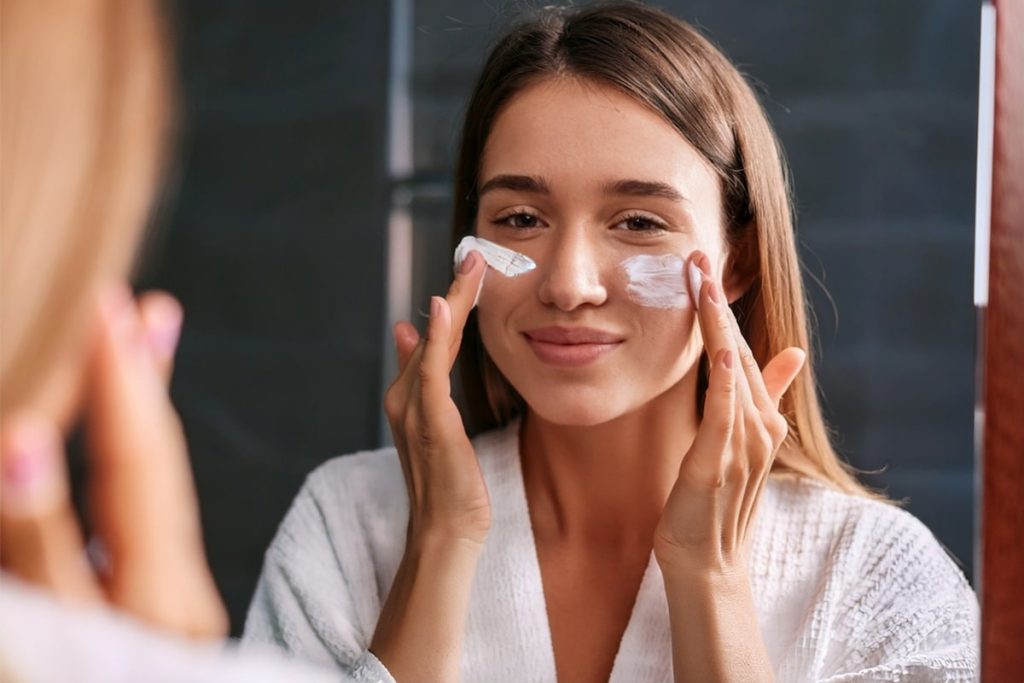
Understanding the Mechanisms of UV-Induced Skin Damage
The impact of ultraviolet (UV) rays extends beyond mere sunshine; they incur substantial damage at the cellular level, contributing significantly to skin aging and various dermatological conditions. Two primary types of UV radiation—UVA and UVB—pose unique threats to skin health and youthfulness. Understanding these mechanisms is vital for anyone wishing to preserve their skin integrity as they age.
UVA rays, which account for up to 95% of the UV radiation reaching the Earth’s surface, penetrate the skin more deeply than UVB rays. They are primarily responsible for photoaging, which manifests as wrinkles and leathery skin. Research indicates that UVA rays can induce oxidative stress, leading to the formation of free radicals that damage skin cells and accelerate the aging process. Moreover, UVA exposure plays a role in the development of skin cancers by impacting the genetic material within skin cells.
On the other hand, UVB rays are known for their role in causing sunburn and are integral in the development of skin cancer. These rays primarily affect the outer layers of the skin but can also lead to DNA damage. The resulting inflammation not only contributes to the visible signs of aging but can also promote a cycle of skin repair and regeneration that becomes less efficient with age. As we transition into our later years, the ability of the skin to recover from UV-induced damage diminishes, exacerbating aging signs.
Common Signs of UV Damage
Recognizing the signs of UV damage is essential for effective prevention and treatment. Here are some common indicators that may alert you to the negative effects of sun exposure:
- Accelerated Wrinkling: Noticeable fine lines and wrinkles can appear prematurely, especially around the eyes, mouth, and forehead.
- Sunspots: These brown or dark spots often emerge on sun-exposed areas, indicating areas of hyperpigmentation.
- Skin Sagging: Loss of elasticity and firmness can lead to droopy skin, particularly along the jawline and neck.
- Rough Texture: The skin may feel coarse or rough to the touch, losing its smooth and soft feel.
- Redness or Inflammation: Persistent redness or areas of inflammation can signal long-term damage and sensitivity developed due to UV exposure.
Understanding the biological effects of UV radiation enables individuals to take proactive steps towards skin care. Utilizing protective measures is not just about aesthetics; it’s about fostering long-term health. By implementing sun safety strategies and being observant of how your skin reacts to sun exposure, you can significantly reduce the toll that UV rays take on your complexion. The fight against skin aging begins with informed awareness and diligent protection from the sun’s harmful rays.
| Category | Details |
|---|---|
| Impact of UV Rays | UV rays can accelerate skin aging, leading to wrinkles, loss of elasticity, and pigmentation. |
| Prevention Methods | Use broad-spectrum sunscreen, wear protective clothing, and seek shade during peak sunlight hours. |
| Importance of SPF | Using an SPF of at least 30 can significantly reduce UV exposure and skin damage. |
| Antioxidants | Incorporate antioxidants like vitamins C and E to enhance skin protection from free radicals induced by UV rays. |
The skin is continuously exposed to UV radiation from the sun, which leads to both immediate and long-term effects. Prolonged exposure can cause photoaging, characterized by wrinkles and loss of collagen. This process can be mitigated through diligent sun protection practices. For instance, applying a broad-spectrum sunscreen daily is crucial to block both UVA and UVB rays. Regularly using sunscreens that contain SPF is also essential to safeguard against the harmful effects of the sun that can accelerate aging.Additionally, using topical antioxidants can provide an extra layer of defense. For example, Vitamin C can help in reducing oxidative stress on the skin and assist in repairing sun damage. Styling your wardrobe to include protective clothing and hats can also contribute significantly to reducing sun exposure. It’s vital to make sun safety a consistent part of your daily routine to combat the effects of UV rays effectively. By integrating these strategies, you not only protect your skin but also promote a youthful appearance for years to come.
DIVE DEEPER: Click here to learn about facial treatments across cultures
Sun Protection Strategies: Shielding Your Skin from UV Damage
As we understand the damaging effects of UV rays on our skin, it becomes imperative to adopt practical sun protection strategies. These methods not only mitigate the accelerated effects of aging but also significantly reduce the risk of developing skin cancers. Here, we delve into effective sun protection tips that can help maintain youthful and healthy skin throughout the years.
1. Wear Sunscreen Daily
Sunscreen is a cornerstone of effective sun protection. Dermatologists recommend using a broad-spectrum sunscreen with an SPF of at least 30. This ensures protection against both UVA and UVB rays. It’s essential to apply sunscreen generously to all exposed skin, including often-overlooked areas such as the ears, back of the neck, and the tops of the feet. Reapplication every two hours, or more frequently if swimming or sweating, is crucial for maintaining protection.
2. Seek Shade and Dress Appropriately
When the sun is at its brightest, typically between 10 a.m. and 4 p.m., seeking shade can significantly reduce UV exposure. Additionally, wearing protective clothing, such as long sleeves, wide-brimmed hats, and sunglasses with UV protection, can offer an extra layer of defense. In fact, several clothing brands now offer UV-blocking fabrics, designed specifically to shield the skin from harmful rays without compromising comfort.
3. Understand Your Skin Type
Individual skin types react differently to sun exposure. Those with fair skin and light-colored eyes are often more susceptible to sunburn, while individuals with darker skin can experience delayed signs of sun damage. Understanding your unique skin type can inform how much sun exposure is safe and the type of protection needed. Regular skin checks can assist in identifying any changes or new growths, promoting early detection of potential issues.
4. Incorporate Antioxidants into Your Skincare Routine
Antioxidants play a vital role in diffusing the oxidative stress caused by UV exposure. Incorporating antioxidant-rich products, such as vitamin C serums or topical green tea extracts, supports the skin’s natural defenses against sun damage. Research shows that these ingredients not only help neutralize free radicals but can also enhance the overall efficacy of sunscreen when used in tandem.
5. Regular Skin Exams
Engaging in regular skin checks with a dermatologist can be a game changer in managing skin health as we age. Professional evaluations can identify potential damage early and suggest personalized treatment strategies. In addition, being proactive about skin health through self-examinations can empower individuals to recognize unusual changes in their skin, facilitating timely intervention.
6. Adopt a Healthy Lifestyle
A holistic approach to skin health encompasses a balanced diet rich in vitamins, minerals, and healthy fats, as well as adequate hydration. Foods that are high in omega-3 fatty acids, antioxidants, and vitamins C and E can bolster skin health and combat the effects of sun exposure from the inside out. Regular exercise also promotes circulation and can aid in overall skin vitality.
By integrating these sun protection strategies into daily routines, individuals can significantly influence their skin’s aging process, allowing them to enjoy a vibrant complexion as they navigate through the years. Understanding and mitigating the impact of UV rays is crucial in preserving youthfulness and promoting a healthier future for your skin.
DISCOVER: Click here to delve into the future of facial treatments
Conclusion: Invest in Your Skin’s Future
As we have explored, UV rays pose a significant threat to our skin, accelerating the aging process and increasing the risk of skin cancers. The damaging effects of sun exposure are not only evident in the short term but can manifest over a lifetime, leading to unwanted signs of aging such as wrinkles, age spots, and loss of elasticity. However, by implementing effective sun protection strategies, we can take proactive steps to safeguard our skin’s health.
Daily use of sunscreen, smart apparel choices, and understanding your unique skin type are essential foundations for maintaining youthful skin. Additionally, incorporating antioxidants into your skincare routine and prioritizing regular dermatologist visits can further enhance your skin’s resilience against UV damage. Even more, adopting a healthy lifestyle plays a critical role in combating the effects of sun exposure from within.
Research highlights that preventive measures taken today can lead to significant improvements in skin health down the line. As you navigate the countless options available for sun protection, remember that the investment in your skin is an investment in your overall well-being. By making informed choices and prioritizing sun safety, you can enjoy not only a vibrant complexion but also a healthier future free from the long-term effects of UV damage. Let the fight against aging begin with you—your skin will thank you for it!
Related posts:
The Science Behind Tinted Sunscreens: Benefits Beyond UV Protection
Myths and Truths about Sunscreens: Demystifying Common Information
The Evolution of Sun Protection Formulas: From Traditional Creams to Modern Innovations
The Connection Between Blue Light and Skin Damage: Should Your Sunscreen Provide Protection?
The Evolution of Sunscreens: Technological Innovations and Natural Ingredients for Effective Protect...
Innovative Sun Protection Products: Exploring the Latest Trends in Beauty and Skincare

Linda Carter is a writer and beauty expert specializing in skincare routines, cosmetic ingredients, and holistic self-care practices. With extensive experience helping individuals achieve healthy, radiant skin and make informed beauty choices, Linda shares her knowledge on our platform. Her goal is to empower readers with practical advice and science-backed strategies for lasting beauty and skin health.