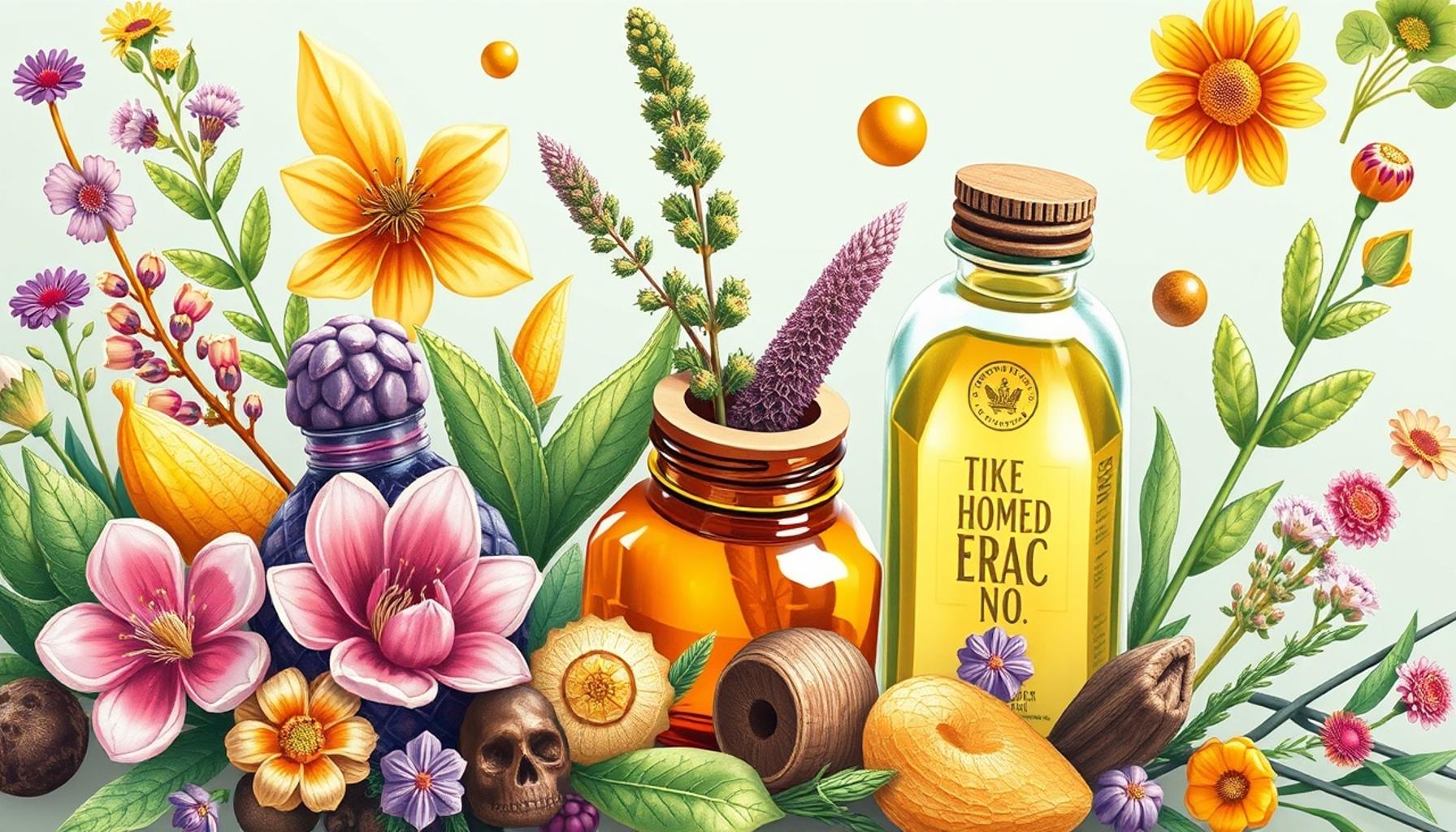
Sustainable Beauty: The Impact of Natural Ingredients on Eco-Friendly Skincare Products

Understanding the Shift Towards Sustainable Beauty
The modern consumer is no longer just interested in how products will benefit their skin; they are also concerned about how their choices impact the environment. This has ushered in a significant transformation in the beauty industry, particularly in skincare. More individuals are gravitating towards sustainable beauty—a concept that prioritizes the use of natural ingredients and eco-friendly production methods. As consumers become increasingly informed, they recognize that their purchasing power can drive positive change in the market.
- Rising Demand: Recent studies indicate that over 70% of consumers are willing to pay more for products that come from sustainable brands. Shoppers are actively seeking products that not only deliver results but also align with their ethical values.
- Eco-Conscious Brands: Companies like Beautycounter and Tata Harper have taken the initiative to reformulate their products using plant-based ingredients, ensuring that they are free from harmful chemicals like parabens and sulfates. These brands are becoming leaders in the sector, showing that sustainability can go hand-in-hand with efficacy.
- Health Benefits: Many natural ingredients boast properties that can enhance skin health without the side effects typically associated with synthetic additives. Ingredients like aloe vera and jojoba oil offer hydration and nourishment while being gentler on the skin.
As the movement towards eco-friendly skincare products grows, we must also examine its ripple effects on both personal health and the environment. The surge in demand for sustainable products correlates with heightened concern over pressing issues such as plastic pollution and the detrimental impact of chemical runoff on ecosystems.
- Ingredient Sourcing: Organic farming practices are becoming more prevalent, leading to community-supported agriculture that benefits local economies and ensures consumers receive high-quality, ethically sourced materials.
- Minimal Packaging: Brands like Lush and Package Free Shop are setting a benchmark by adopting innovative packaging solutions. They use compostable materials or even promote product “naked” formats—ready to use, without any packaging at all.
- Transparency: Today’s consumers demand honesty from brands. They want comprehensive ingredient lists and clear information on sourcing, driving companies to adopt more transparent practices.
This article will further explore how the growth of natural ingredients is not just a trend but a fundamental change in the skincare industry. We will highlight brands that are leading this movement and discuss the various benefits of natural ingredients. By putting the spotlight on sustainability in beauty, we can appreciate not only the impact on our skin but also the broader implications for our planet. Join us on a journey through the evolving landscape of sustainable beauty, and discover how informed choices can pave the way to a healthier future.
DIVE DEEPER: Click here to discover the latest innovations
The Power of Natural Ingredients in Skincare
As consumers increasingly seek out sustainable beauty options, the focus has shifted to the effectiveness of natural ingredients in skincare products. This transition is rooted in a deeper understanding of the benefits these ingredients offer—not just for the skin, but also for the environment. Natural ingredients are derived from plants and minerals, free from synthetic additives that can often cause irritation or long-term harm to both the user and the planet.

Research shows that the inclusion of natural ingredients in skincare formulations can offer a multitude of benefits:
- Antioxidant Properties: Ingredients like green tea and vitamin C are abundant in antioxidants, which help combat free radicals, reduce inflammation, and promote a youthful appearance. Their presence in skincare ranges can lead to healthier-looking skin without chemical interference.
- Hydration and Nourishment: Natural oils, such as argan and coconut oil, are known for their deep moisturizing capabilities. Unlike their synthetic counterparts, these oils can penetrate the skin more readily, offering nourishment and hydration without clogging pores.
- Skin Sensitivity: Many individuals suffer from reactions to synthetic chemicals found in traditional beauty products. Natural ingredients like chamomile and calendula are often gentler on the skin, providing soothing properties that can alleviate redness and irritation.
- Environmental Impact: The sourcing of natural ingredients often aligns with eco-friendly practices, involving sustainable farming and ethical harvesting methods that promote biodiversity and reduce environmental degradation.
In response to this demand for transparency and efficacy, brands are increasingly reformulating products using only ethically sourced natural ingredients. For instance, Herbivore Botanicals has garnered attention for its commitment to using plant-based components, resulting in products that are as effective as they are environmentally conscious. By choosing such brands, consumers are not only investing in their skincare but also supporting a more sustainable beauty industry.
The benefits of these choices extend into the realm of personal health and wellness. Many people are now looking beyond aesthetics, understanding that what they apply to their skin can significantly impact their overall well-being. Research has consistently shown the correlation between the use of natural ingredients and improved skin health, which leads to a growing market for clean beauty alternatives.
As we delve deeper into the topic of sustainable beauty, it becomes essential to recognize the innovative methods brands are adopting to minimize their carbon footprint. This journey does not merely center on selecting products; rather, it involves a holistic approach that encompasses sourcing, production, and packaging. For example, brands are exploring refillable containers and using biodegradable materials, which reflect a more profound commitment to sustainability.
By supporting sustainable beauty initiatives and prioritizing natural ingredients, consumers play a pivotal role in shaping the future of the skincare industry. The emphasis on eco-friendly practices is prompting brands to continuously innovate, creating effective, conscious products that don’t merely adhere to beauty standards but redefine them. This is the essence of the sustainable beauty movement, where informed choices lead to better skin and a healthier planet.
| Advantages | Details |
|---|---|
| Reduced Environmental Impact | Natural ingredients often come from sustainable sources, minimizing ecological footprints. |
| Skin-Friendly Properties | Many natural components, unlike synthetic alternatives, are less likely to cause irritation, promoting healthier skin. |
| Transparency in Composition | Eco-friendly brands often provide clear information about ingredient sourcing, enhancing consumer trust. |
| Promotes Biodiversity | Utilizing a variety of plants in skincare fosters biodiversity and supports local ecosystems. |
Continuing with the topic of sustainable beauty, eco-friendly skincare products harness the power of nature to offer a myriad of benefits. The focus on natural ingredients not only helps in reducing the harmful effects posed by synthetic substances, but it also aligns with the growing demand for ethical consumerism. With more people opting for products that are both effective and sustainable, skincare companies are increasingly investing in research and development of formulations that champion the essence of the environment.Consumers are becoming increasingly aware of how their choices impact the planet. For instance, brands that incorporate locally sourced natural ingredients support local economies and reduce transportation emissions. This awareness has led to innovative formulations where common skincare products utilize resources such as botanicals, essential oils, and biodegradable materials, enhancing both skin health and environmental sustainability.Moreover, the holistic approach taken by brands in sustainable beauty not only focuses on individual health benefits but emphasizes a global movement towards a healthier planet. As the eco-friendly skincare market expands, ongoing education about the impact of these natural ingredients is vital for informed consumer choices, leading towards a more sustainable future in beauty care.
DIVE DEEPER: Click here to uncover more
The Role of Sustainability in Ingredient Sourcing
In the world of sustainable beauty, it’s not just the presence of natural ingredients that matters but also how they are sourced. The extraction and harvesting of these ingredients can have a profound effect on both the environment and community. Brands that prioritize sustainability often collaborate with local farmers and indigenous communities, establishing fair trade practices that create a positive economic impact.
Take, for instance, the ingredient shea butter, a popular component in many eco-friendly moisturizers. Traditionally sourced from shea trees in West Africa, the demand for this natural resource has led to sustainable harvesting initiatives aimed at protecting the trees from overexploitation. Companies like SheaMoisture are champions of this cause, ensuring that local women who collect the shea nuts are fairly compensated while implementing practices that encourage the growth of these trees. This not only benefits the environment but also uplifts the local economy, showcasing the power of ethical ingredient sourcing.
Moreover, the push for organic farming continues to gain traction, with brands increasingly opting for ingredients derived from organic systems. Organic farming avoids the use of synthetic fertilizers and pesticides, fostering healthier ecosystems. For instance, brands like 100% Pure utilize fruit pigments and botanical extracts free from synthetic dyes—providing a vivid array of colors while ensuring environmental integrity. The shift toward organic not only reduces pollution and enhances soil health but also delivers fresher, more potent ingredients that are optimal for skin health.
Another critical aspect of sustainable ingredient sourcing is the minimization of water usage during cultivation. Many natural ingredient producers are adopting innovative irrigation techniques to conserve this precious resource. Aloe vera, known for its hydrating properties, thrives in arid conditions and requires considerably less water than other crops, making it a highly sustainable choice for skincare. Companies such as Pacifica are leveraging such ingredients in their product lines, ensuring that their production processes align with sustainability goals.
The Impact of Regulation and Consumer Awareness
In the United States, the skincare industry is seeing increased pressure for regulation concerning both ingredient transparency and environmental practices. The California Consumer Privacy Act (CCPA) and potential upcoming legislations are part of a broader movement advocating for cleaner beauty standards. Brands are aware that consumers demand more information about ingredient sourcing, environmental impact, and ethical considerations. This scrutiny fosters greater accountability and drives manufacturers to adopt sustainable practices.
Consumer awareness plays a pivotal role in this change. Social media platforms have become powerful tools in amplifying the voices of advocates championing the sustainable beauty movement. Influencers and eco-conscious celebrities are teaming up with brands known for their commitment to the environment, making sustainable beauty not just a trend, but a lifestyle choice. This wave of activism has cultivated a marketplace where consumers feel empowered to vote with their wallets, further incentivizing companies to prioritize sustainability in their ingredient sourcing and overall operations.
Through this evolving landscape, the synergy of sustainable ingredient sourcing and consumer demand will continue to shape the future of skincare. As more brands embrace eco-friendly practices and transparency, the result is a rich tapestry of innovation that respects our planet while catering to the diverse needs of consumers eager for products that not only enhance their beauty but also contribute positively to the world around them.
DISCOVER MORE: Click here to learn about herbal remedies for skin health
Conclusion: A New Era of Conscious Beauty
As we step into a world increasingly focused on sustainability, the impact of natural ingredients on eco-friendly skincare products is undeniable. The shift towards sustainable beauty encapsulates more than just a trend; it signifies a growing commitment to the planet and our communities. By prioritizing ethically sourced ingredients, brands are not only protecting our environment but also supporting local economies and promoting biodiversity. This commitment extends beyond the sourcing phase, as transparency and consumer awareness continue to shape brand practices across the skincare industry.
The rising demand for organic farming practices and irrigation innovations highlights that sustainability can coexist with both efficacy and beauty. Consumers are now more educated than ever about what goes into their skincare products, driven by the influence of social media and the need for accountability. As major players in the industry adopt these sustainable practices, smaller brands are also inspired to follow suit, creating a ripple effect throughout the entire market.
Ultimately, the synergy between sustainable ingredient sourcing and heightened consumer awareness presents an exciting frontier for the skincare industry. As we embrace this new era of conscious beauty, the call for sustainable products goes hand-in-hand with an invitation to explore and appreciate the intricacies of our natural world. By choosing eco-friendly and ethically produced skincare, consumers are casting a vote for a healthier planet, driving the industry towards a more sustainable and responsible future.
Related posts:
Sustainable Beauty: The Impact of Ethically Sourcing Natural Ingredients
The Rise of Natural Ingredients in Anti-Aging Skincare: Benefits and Innovations
Harnessing the Power of Herbal Extracts: A Guide to Natural Ingredients for Sensitive Skin
The Science Behind Natural Oils: How They Transform Your Skincare Routine
Essential Oils in Skincare: Balancing Aromatherapy and Skin Health
The Impact of Climate Change on the Availability of Natural Ingredients in Beauty Products

Linda Carter is a writer and beauty expert specializing in skincare routines, cosmetic ingredients, and holistic self-care practices. With extensive experience helping individuals achieve healthy, radiant skin and make informed beauty choices, Linda shares her knowledge on our platform. Her goal is to empower readers with practical advice and science-backed strategies for lasting beauty and skin health.