
The Importance of Personalization in Facial Treatments: How to Find the Ideal Treatment for Your Skin Type

The Importance of Tailoring Facial Treatments to Individual Needs
In the realm of skincare, one size does not fit all. Personalization is becoming a crucial factor in achieving effective facial treatments that cater specifically to individual skin types. By leveraging a tailored approach to skincare, individuals can enhance the effectiveness of their treatments, ultimately maximizing the potential of their skin. The ever-evolving landscape of skincare science and increasing consumer awareness of product ingredients has paved the way for personalized treatments that deliver superior results.
Why is Personalization Key?
Let’s explore several compelling reasons why personalized treatments are essential:
- Individual Skin Needs: Each person’s skin has distinct characteristics, such as varying levels of oiliness, dryness, sensitivity, and tendencies toward acne. For instance, someone with oily skin may benefit from treatments that control sebum production, while individuals with dry skin might focus on hydration and nourishment.
- Targeted Solutions: Personalized treatments can effectively address specific concerns such as fine lines, hyperpigmentation, or an uneven skin texture. For example, a person struggling with dark spots might benefit from treatments containing vitamin C or retinoids, which target pigmentation issues.
- Maximized Results: Tailoring treatments can significantly enhance absorption rates and overall effectiveness. A treatment formulated specifically for your skin type can lead to noticeable improvements in skin texture and tone, making it a worthwhile investment for long-term skincare success.
By recognizing your specific skin type and needs, you establish a foundation for selecting optimal treatments. A thoughtful approach enables both skincare professionals and clients to work collaboratively, resulting in customized skincare routines that yield more satisfying and noticeable outcomes.
How to Determine Your Skin Type
Understanding your skin type is the first step towards effective personalization. Here are common skin types and their characteristics:
- Oily Skin: This type is prone to excessive shine and frequent breakouts, particularly in the T-zone. Individuals with oily skin may benefit from oil-free moisturizers and gentle exfoliation to keep pores clear.
- Dry Skin: Often exhibits a flaky texture, tightness, and discomfort. For those with dry skin, treatments rich in hyaluronic acid, ceramides, or glycerin can provide essential hydration and restore moisture balance.
- Combination Skin: Characterized by both oily and dry areas, often requiring a dual treatment approach. For example, a lightweight gel-based moisturizer may work well for oily zones, while a richer cream is beneficial for dry patches.
- Sensitive Skin: Easily irritated, this skin type may react to various products, leading to redness or discomfort. Individuals with sensitive skin should seek gentle, fragrance-free formulations that nourish without irritating.
With a clear understanding of these classifications, you can embark on a journey to discover the treatments that best meet your distinct needs. This knowledge opens the door to informed decisions about products, allowing individuals to create a skincare regimen tailored for radiant and resilient skin.
DISCOVER MORE: Click here to unlock the secrets of honey and beeswax in skincare
Exploring the Benefits of Personalized Facial Treatments
The quest for flawless skin often leads individuals to explore various facial treatments, but without a personalized approach, these treatments can yield mediocre results. Personalization plays a pivotal role in skincare, as it allows professionals to tailor methods and products that resonate with your unique skin needs and concerns. With the increasing demand for effective skincare solutions, many spas and dermatology clinics are embracing this personalized approach to promote improved skin health across different demographics.
The Impact of Skin Type and Concerns
Understanding the nuances of your skin is paramount in selecting the best facial treatment. Each skin type not only varies in oil production but also in how it reacts to environmental factors, products, and treatments. Here are some key aspects to consider:
- Skin Type Variations: Whether you have oily, dry, combination, or sensitive skin, the right treatment can lead to healthier skin. For instance, an oily skin type may require treatments that include salicylic acid to prevent breakouts, while dry skin may thrive on products enriched with nourishing oils and moisturizers.
- Specific Concerns: Beyond skin type, individual concerns such as acne scars, wrinkles, or sun damage necessitate specialized treatments. A person faced with premature aging may benefit significantly from peels and serums high in antioxidants, while those battling acne could find solace in treatments tailored to soothe and calm inflamed skin.
- Environmental Influences: Factors such as climate and pollution levels can adversely affect skin health. Personalized treatments take these external influences into account, helping to mitigate their impacts through specialized formulations and intervention strategies.
The culmination of these factors underscores the significance of personalization in achieving and maintaining healthy skin. By responding to individual needs rather than relying on generic solutions, the rate of successful treatment increases, steering clients towards tangible outcomes.
Consultation: A Vital Step in the Personalization Process
Before embarking on a skincare journey, it is essential to undergo a thorough consultation with a skincare professional. During this assessment, various factors are evaluated including skin texture, history of skin conditions, and personal lifestyle habits. An experienced esthetician or dermatologist will guide you through a series of questions and examinations to establish a clear picture of your skin’s health. This comprehensive analysis empowers professionals to recommend the most suitable treatments, transforming skincare into a uniquely personalized experience.
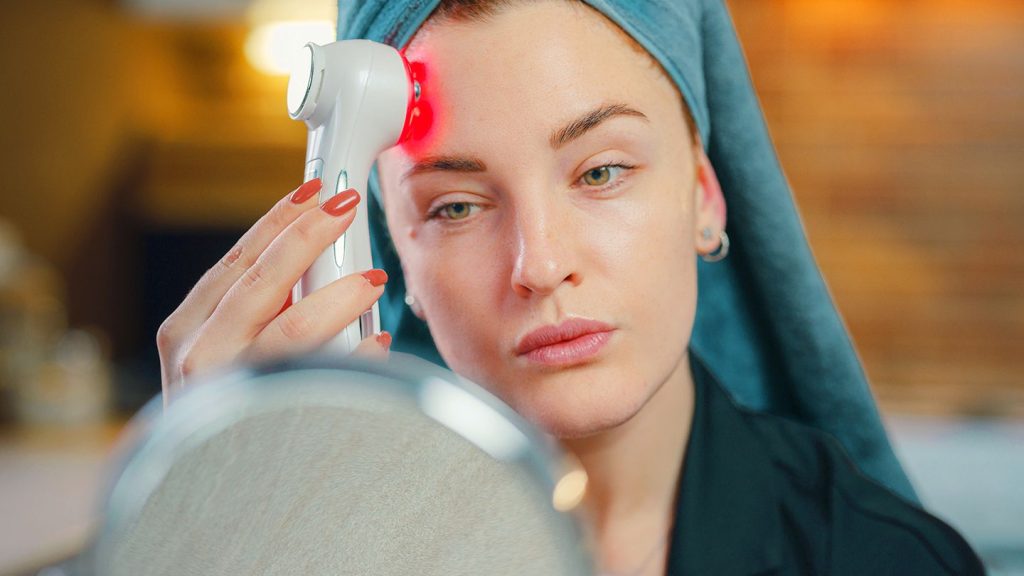
Furthermore, the integration of technology into skincare consultations cannot be overlooked. Advanced tools such as skin analyzers use specialized technology to assess skin conditions in real-time, providing deeper insights into your unique skincare needs. This data-driven approach to personalization allows individuals to better navigate their skincare regimen and ultimately leads to improved satisfaction with results.
Ultimately, the path to glowing skin is best navigated through a personalized lens. By understanding your skin’s unique composition and concerns, you can unlock the potential of tailored treatments and embrace a skincare routine that reflects your individuality and enhances your natural beauty.
| Treatment Type | Benefits |
|---|---|
| Hydration Treatments | Boosts moisture levels in dry skin, giving a plump and radiant appearance while reducing flaky patches. |
| Anti-Aging Treatments | Reduces fine lines and wrinkles by promoting collagen production, offering a youthful glow and improving skin texture. |
| Exfoliation Treatments | Removes dead skin cells to reveal brighter skin underneath while helping to unclog pores. |
| Brightening Treatments | Lightens dark spots and improves overall skin tone, promoting an even and luminous complexion. |
Personalization in facial treatments is essential to effectively address individual skin concerns. Understanding your skin type—be it oily, dry, combination, or sensitive—enables practitioners to tailor treatments that optimize results. For instance, those with oily skin may benefit from exfoliation treatments that target excess sebum, while individuals with dry skin might find hydration treatments more suited to enhance moisture retention.Moreover, customization allows for the incorporation of specific ingredients known for their efficacy in treating distinct skin issues. For example, hyaluronic acid is powerful for hydration, while retinoids can be crucial in anti-aging therapies. By aligning a treatment plan to your unique skin needs, you’re more likely to achieve noticeable improvements, encouraging a deeper engagement with your skincare routine. This proactive approach not only nurtures the skin but fosters long-lasting relationships between clients and skincare professionals.As you explore options for personalized facial treatments, it’s also valuable to remain educated on the ingredients being used. Knowledge about your skin and the treatments available can make a significant difference in achieving the ideal results.
DISCOVER: Click here to dive deeper
Unlocking the Power of Ingredients in Personalized Treatments
The foundation of effective facial treatments often lies in the active ingredients utilized. Each skin type responds differently to various components, making it essential to identify which ingredients resonate with one’s unique skin profile. Understanding the role of specific ingredients can empower individuals to make informed choices about their facial treatments.
Common Active Ingredients and Their Benefits
Some active ingredients frequently found in personalized treatments can significantly enhance the benefits of facials. Recognizing their specific functions in relation to skin type can lead to breakthrough results:
- Hyaluronic Acid: This powerhouse ingredient is known for its ability to retain moisture, making it ideal for individuals with dry or dehydrated skin. By promoting hydration, hyaluronic acid can result in a more plump and youthful appearance.
- Retinoids: Popular for their anti-aging properties, retinoids can aid in reducing the appearance of fine lines and wrinkles. Individuals with mature skin may find retinoids particularly beneficial as they promote cell turnover and enhance skin texture.
- Vitamin C: Revered for its brightening capabilities, Vitamin C can help to even skin tone and diminish dark spots. Those struggling with uneven pigmentation or dullness will benefit from treatments rich in this ingredient.
- Niacinamide: Known for its versatility, niacinamide can help regulate oil production, minimize pores, and calm inflammation. It is an excellent choice for individuals with oily or acne-prone skin, as it addresses multiple concerns effectively.
Integrating these ingredients into a personalized facial treatment not only targets specific skin issues but also transforms the overall skin health journey.
Monitoring Progress and Adjusting Treatments
A pivotal aspect of personalized skincare is the ongoing assessment and adjustment of treatments. Skin is dynamic and ever-changing—it reacts to a variety of factors including stress, season, diet, and hormonal shifts. Regular follow-up appointments with skincare professionals allow for necessary tweaks to treatment plans, ensuring that the facial regimen evolves alongside the individual’s skin.
For example, if a treatment plan initially focused on hydration proves insufficient due to an unexpected environmental change, a quick consultation can lead to the introduction of fortifying elements or additional protective measures. Tracking improvement not only fosters trust in the skincare process but also builds a collaborative relationship between the client and the practitioner.
DIY Personalization: The Role of At-Home Care
While in-clinic treatments are beneficial, the importance of personalization extends to daily skincare routines. Tailored at-home care is crucial to maintaining results and ensuring that treatments yield lasting benefits. This can include selecting the right foundation, choosing effective moisturizers, and even understanding the timing of application for serums and oils.
Customizing at-home routines based on professional advice can enhance skincare efficacy. For instance, incorporating layered serums containing active ingredients shown to benefit your specific concerns can create a more comprehensive approach to skincare. As trends like skin cycling gain traction, understanding your skin’s reaction during various phases can empower individuals to make informed choices about product use.
The journey to optimized skin care is an intricate weave of professional guidance, ingredient knowledge, and personal commitment. By engaging in an active dialogue with professionals and investigating effective at-home practices, individuals can unlock the vibrant, healthy skin they seek.
DISCOVER MORE: Click here to learn about the benefits of ethically sourcing natural ingredients
Conclusion: Embracing the Art of Personalized Skincare
In a world where skincare solutions abound, personalization emerges as an essential cornerstone in achieving optimal facial treatment results tailored to individual skin types. As we’ve explored, understanding the specific needs of your skin—combined with the right active ingredients—can profoundly influence the effectiveness of any facial regimen. The unique interplay between selected components like hyaluronic acid, retinoids, vitamin C, and niacinamide can make a marked difference, addressing concerns such as dehydration, aging, discoloration, and acne.
Furthermore, the journey doesn’t end with in-clinic treatments. It extends into the realm of at-home care, where personalization is equally crucial for maintaining results over time. Adapting your daily skincare routine based on professional guidance empowers you to continue nurturing your skin, ensuring it remains vibrant and healthy.
Ultimately, as skin is a living entity influenced by various factors, regular assessments and adjustments in treatments are vital for sustained improvement. The collaborative relationship between skincare practitioners and clients fosters trust and adaptability, making it possible to navigate the ever-changing landscape of skincare needs. By investing in a personalized skincare approach, individuals can take significant strides toward unlocking their skin’s full potential, culminating in a radiant and confident complexion.
As you embark on your personalized skincare journey, remember to communicate openly with your skincare professional, and stay informed about your skin’s individual characteristics. With the right knowledge and tools, achieving healthy, glowing skin is not just a dream—it’s an attainable reality.
Related posts:
The Benefits of Facial Treatments with Natural Ingredients
The Future of Facial Treatments: Trends in Personalized Skincare
Emerging Trends in Facial Treatments: Technology and Innovation in Skincare
The Influence of Seasonal Changes on Facial Treatment Choices
The Connection Between Nutrition and Facial Treatments: How Diet Affects Skin Health
Sustainable Practices in Facial Treatments: Eco-Friendly Skincare Solutions

Linda Carter is a writer and beauty expert specializing in skincare routines, cosmetic ingredients, and holistic self-care practices. With extensive experience helping individuals achieve healthy, radiant skin and make informed beauty choices, Linda shares her knowledge on our platform. Her goal is to empower readers with practical advice and science-backed strategies for lasting beauty and skin health.