The Influence of Stress on Skin Health and Its Aging

The Connection Between Stress and Skin Health
The relationship between our mental state and physical appearance is not just a superficial observation; it’s rooted in biological processes. When the body experiences chronic stress, it initiates a fight-or-flight response, a survival mechanism that evolved to help humans respond to immediate threats. Although this response can be beneficial in acute situations, prolonged stress can disrupt bodily functions and manifest visibly on our skin.
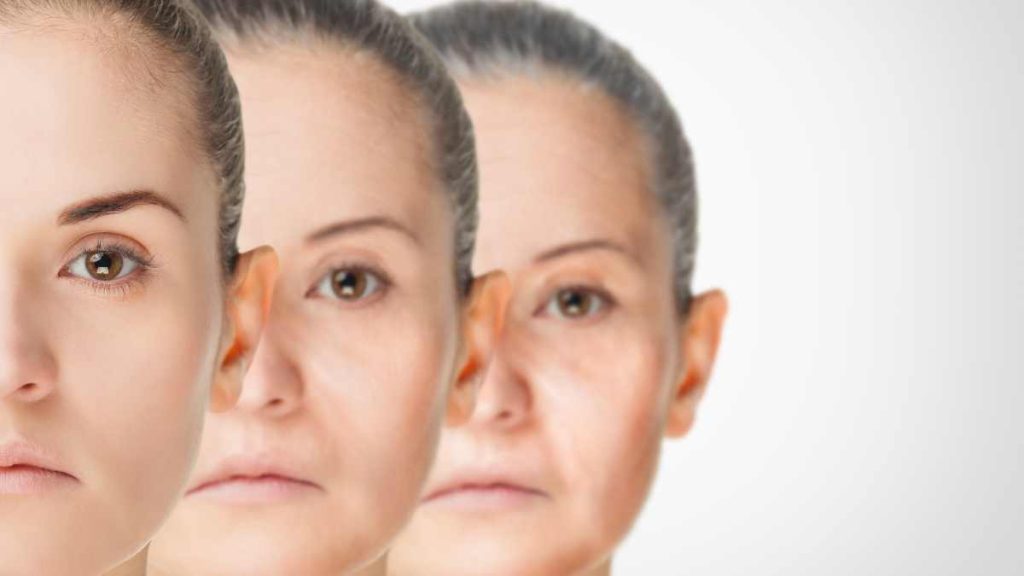
The primary driver of these changes is the hormone cortisol. Under normal circumstances, cortisol plays a vital role in regulating metabolism and immune response. However, when stress is chronic, cortisol levels remain elevated. This overproduction can significantly weaken collagen synthesis, leading to an increased appearance of fine lines and wrinkles. A study published in the “Journal of Clinical Dermatology” found that individuals with higher stress levels exhibited more visible signs of aging, underscoring the essential link between stress management and youthful skin.
Furthermore, stress has been shown to increase the production of oil by sebaceous glands in the skin, which often leads to a shiny complexion and contributes to the onset of acne. Stress-induced hormonal changes can create a perfect storm for breakouts, particularly in individuals already prone to acne. For instance, many teenagers and young adults in the United States, who juggle school, work, and social pressures, might find that stress exacerbates their skin issues, leading to a cycle of frustration.
Not only does stress impact the way our skin looks, but it can also reduce overall blood flow, hindering delivery of essential nutrients to the skin. This reduction in circulation can lead to a dull complexion and can make the skin appear lifeless. Individuals residing in bustling cities, where stress from daily life can be pronounced, often observe these effects, making regular self-care and stress-relief practices essential.
In addition to creating conditions that directly affect skin appearance, stress can trigger or worsen chronic skin diseases such as eczema, psoriasis, and rosacea. For example, many Americans report flare-ups of eczema during stressful periods, leading to itching, redness, and discomfort. Understanding that skin health can reflect emotional well-being is vital for effective skincare management.
Fortunately, implementing stress management techniques can significantly improve skin health. Activities such as yoga, meditation, and even regular physical exercise have proven beneficial in reducing stress levels. Maintaining a balanced diet rich in antioxidants and staying hydrated are additional lifestyle adjustments that can support both mental and skin health.
As we explore the intricate relationships between stress and our skin, embracing proactive stress-reduction techniques not only contributes to healthier skin but also empowers individuals to age gracefully, combining beauty with inner peace. By acknowledging these dynamics, we can take informed actions that promote overall well-being and enhance our skin’s vitality.
DISCOVER MORE: Click here to learn about global beauty rituals
The Biological Mechanisms Behind Stress-Induced Skin Changes
To understand how stress influences skin health and its aging process, it is important to delve into the biological mechanisms at play. Stress triggers a cascade of physiological responses that can lead to visible changes in the skin. Primarily, the anecdotal notion that stress can lead to breakout is grounded in science. When faced with stress, the body releases various hormones, including adrenaline and cortisol, amplifying the body’s stress response. The elevated levels of cortisol can lead to an imbalance in the body’s natural oil production, facilitating inflammatory skin conditions and increasing the likelihood of acne.
Moreover, this hormonal spike leads to increased activity in the sebaceous glands, responsible for oil production. In excessive amounts, this oil can mix with dead skin cells and clog pores, creating a breeding ground for acne-causing bacteria. This explanation sheds light on why stress often coincides with skin flare-ups, especially in young adults grappling with a myriad of pressures from work, school, and social life.
Additionally, prolonged stress can reduce collagen production. Collagen is fundamental for maintaining skin elasticity and firmness; hence, a reduction in this protein can lead to sagging skin and the acceleration of wrinkle formation. Significant research supports this claim. For instance, a study published in the Journal of Investigative Dermatology highlights the correlation between high-stress levels and diminished collagen repair processes. This finding illuminates the broader implication that managing stress is not just about feeling better mentally; it has a tangible effect on how we as individuals age.
The Role of Inflammation
Stress also plays a critical role in triggering inflammation within the body, which can exacerbate existing skin conditions or create new ones. Inflammatory responses often manifest as redness, swelling, and heat within the affected areas. Common conditions that may see an increase in inflammatory responses include:
- Eczema: Characterized by itchy, inflamed skin, a condition often worsened by stress due to its impact on immune responses.
- Psoriasis: An autoimmune condition that manifests through red, scaly patches, which can flare up significantly during stressful periods.
- Rosacea: A chronic condition that results in facial redness and visible blood vessels, often triggered or worsened by stress and emotional factors.
With the understanding of how stress manifests itself biologically, it becomes apparent that addressing stress is critical for anyone seeking to maintain healthy skin and mitigate the effects of aging. Strategies such as mindfulness, relaxation techniques, and engagement in daily exercise are not just buzzwords; they are indeed effective lifestyle changes that can pave the way for better skin health. By confronting stress head-on, individuals can protect their skin and promote a more youthful appearance.
The Influence of Stress on Skin Health and Its Aging
Stress is not merely a mental burden; it manifests physically, significantly impacting skin health and accelerating the aging process. When the body experiences stress, whether from emotional turmoil or physical strain, it produces higher levels of cortisol, a hormone that can lead to various skin issues. Prolonged exposure to cortisol results in a decrease of collagen production, leading to loss of elasticity and visible signs of aging such as wrinkles and fine lines.Additionally, stress contributes to skin inflammation. Higher cortisol levels can trigger skin disorders like acne, eczema, and psoriasis. This is particularly alarming for those already concerned about anti-aging, as inflammation can further exacerbate the appearance of aging skin. It’s not just the sudden flare-ups that are concerning; over time, chronic inflammation can take its toll on skin health, leading to uneven texture and pigmentation.Furthermore, studies suggest that stress can alter the skin’s barrier function, making it more vulnerable to irritants and dehydration. A compromised skin barrier can result in increased trans-epidermal water loss, which is detrimental for maintaining youthful, hydrated skin. The “glow” associated with healthy skin fades when hydration is lost, leaving behind a dull complexion that can age an individual prematurely.To combat these effects, incorporating stress-management techniques such as mindfulness, meditation, and regular exercise can be beneficial. Simple practices like skincare routines that focus on hydration can also help restore skin vitality. Understanding the connection between stress and skin health is essential for anyone looking to maintain their youthful appearance and manage the aging process effectively.To complement this topic further, the following table provides insights into the advantages and aspects of understanding the influence of stress on skin health.
| Category | Key Aspects |
|---|---|
| Cortisol Impact | Increases collagen breakdown, leading to wrinkles and sagging skin. |
| Inflammation | Triggers skin conditions like acne and eczema, worsening skin appearance. |
| Barrier Function | Decreased barrier leads to moisture loss and dullness, increasing the aging appearance. |
| Stress Management | Effective strategies like meditation and skincare routine can help mitigate effects. |
Understanding these influences emphasizes the importance of addressing stress for maintaining not just mental wellness, but also vibrant skin health through every stage of life.
DISCOVER MORE: Click here to learn about the benefits of tinted sunscreens
Psychological Stress and Its External Manifestations
Beyond the biological mechanisms discussed, psychological stress also leaves an indelible mark on skin health. The relationship between its psychological aspects and aesthetics might not seem immediate. Yet, stress can profoundly influence the way individuals care for their skin and their overall self-image. For instance, people dealing with chronic stress often engage in poor skincare habits, neglecting basic routines such as moisturizing, protection from the sun, and cleansing. These lapses can lead to a decline in skin vitality, accelerating visible signs of aging.
Moreover, stress has been linked to a phenomenon known as psychodermatology, which highlights the interaction between emotional states and skin conditions. Individuals under significant stress may find themselves exacerbating conditions like acne or eczema through habits such as excessive scratching or picking. This maladaptive behavior not only worsens the skin’s appearance but also sets the stage for potential scarring, further intensifying the aging process.
The Impact of Sleep Deprivation
Another significant factor influenced by stress is sleep. Stress can disrupt sleep patterns, leading to both quantitative and qualitative reductions in sleep quality. The consequences of sleep deprivation are far-reaching; they include increased cortisol production and hindered collagen synthesis, both of which are detrimental to skin health. California’s Stanford University conducted research showing that individuals who lack adequate sleep exhibit more pronounced signs of aging in the skin, such as an increased roughness and decreased elasticity.
In the realm of skincare, a lack of restorative sleep makes the skin less efficient in repairing itself overnight. The natural overnight recovery process is essential for maintaining the skin’s barrier function and hydration levels. When stressed, and subsequently deprived of sleep, individuals may awaken to a dull, tired complexion, often requiring more rigorous measures to restore their skin’s former glow.
The Connection Between Diet and Stress
Stress also commonly influences dietary habits, leading to changes that can negatively impact skin health. The “stress-eating” phenomenon is prevalent in the United States, as individuals may gravitate towards high-sugar or high-fat comfort foods. These choices can trigger insulin resistance and promote an inflammatory response in the body, culminating in skin issues such as acne and dermatitis. A balanced diet rich in antioxidants, vitamins, and healthy fats can mitigate these effects, enhancing the body’s resilience against stress.
Additionally, hydration plays a pivotal role in skin health that can be disrupted by stress. Under stress, individuals may forget to drink enough fluids, leading to dehydration of the skin that can manifest as dryness, flakiness, and the premature appearance of fine lines. Drinking ample water is essential to keeping skin plump and resilient, ultimately contributing to a more youthful appearance.
In light of these connections, it becomes evident that stress management is not solely about enhancing mental well-being; it also intertwines intricately with a holistic approach to skincare and overall health. Approaches such as yoga, meditation, and proper nutrition should be viewed as instrumental, not only in promoting a relaxed state of mind but also as vital allies in the quest for healthy, youthful skin. Recognizing the transformative impact of reducing stress can empower individuals to take control of both their mental health and their skin’s aging process.
DISCOVER MORE: Click here to dive into the evolution of sun protection
Conclusion
Understanding the influence of stress on skin health and its aging unveils a complex interplay between our mental and physical states. As outlined, stress triggers a cascade of biological and psychological responses that not only accelerate skin aging but also compromise our ability to maintain healthy skincare practices. From the impact of sleep deprivation on collagen production to the dietary pitfalls that arise from stress-induced eating, the consequences are far-reaching and multifaceted.
Moreover, the relationship between emotional well-being and skin conditions reminds us that a holistic approach is vital in our fight against skin aging. The importance of integrating relaxation techniques, such as yoga and mindfulness, alongside a balanced diet rich in essential nutrients cannot be overstated. By prioritizing stress management strategies, individuals can nourish their skin from within, fostering resilience to external triggers that exacerbate aging.
The connection between mental health and skincare is not merely anecdotal but backed by scientific findings, highlighting the need for awareness and actionable steps. As our society continues to grapple with increasing stressors, understanding this intricate relationship empowers individuals to reclaim control over their skin’s health and aging process. Embracing self-care practices and maintaining a proactive approach to stress can pave the way for not just healthier skin, but a more profound sense of overall well-being. In the end, the quest for youthful skin begins with a mindful outlook on stress and its many implications.
Related posts:
Anti-Aging Therapies and Treatments: What to Expect from Modern Aesthetic Procedures
Anti-Aging Skincare Routines: How to Customize for Each Skin Type
Natural and Homeopathic Therapies to Combat the Signs of Skin Aging
The Evolution of Anti-Aging Ingredients: What Really Works?
Anti-Aging Skincare Routines: Essential Products for Every Age
The Impact of Diet on Skin Aging Prevention

Linda Carter is a writer and beauty expert specializing in skincare routines, cosmetic ingredients, and holistic self-care practices. With extensive experience helping individuals achieve healthy, radiant skin and make informed beauty choices, Linda shares her knowledge on our platform. Her goal is to empower readers with practical advice and science-backed strategies for lasting beauty and skin health.