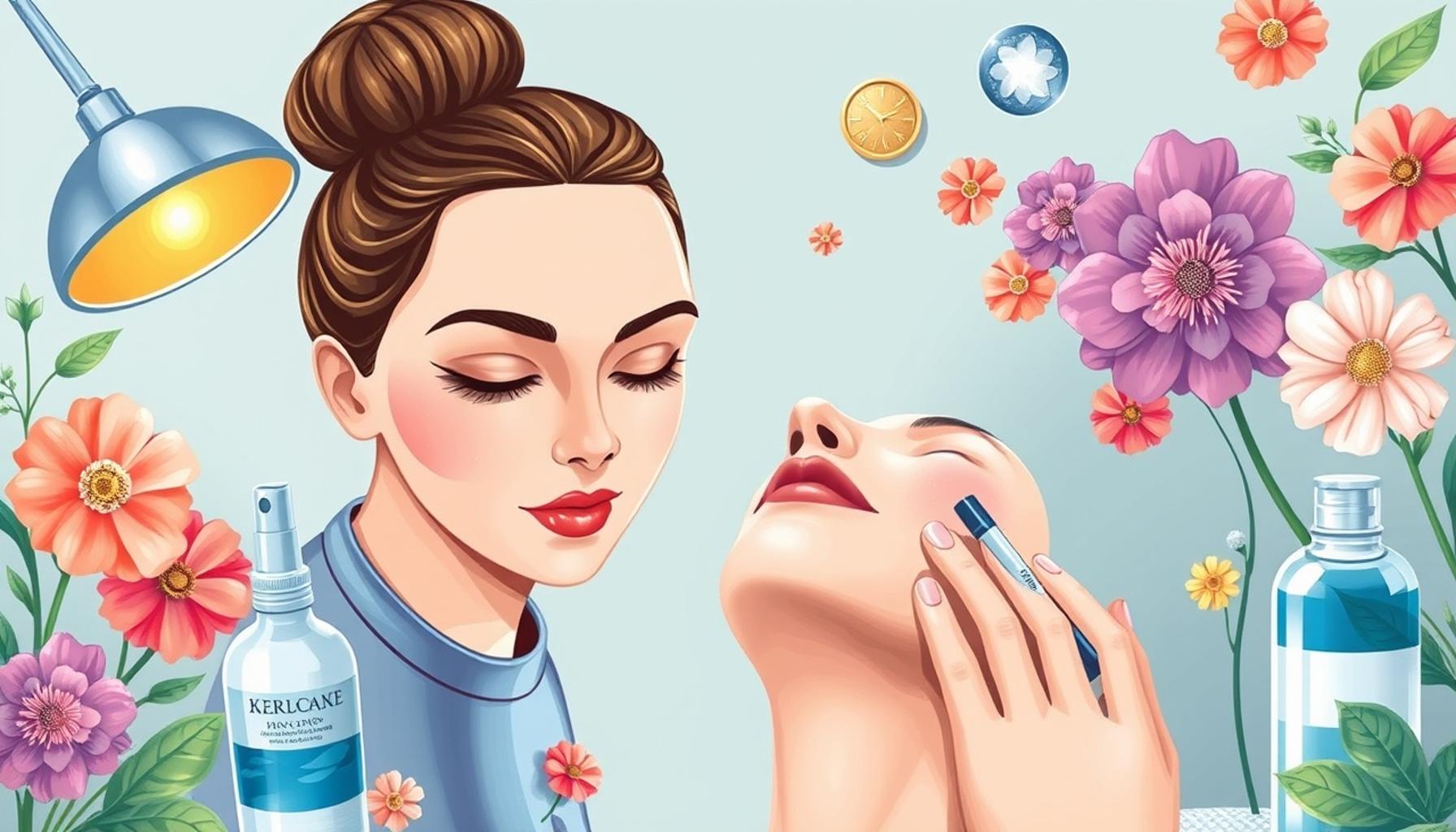
The Psychological Benefits of Facial Treatments: Enhancing Well-Being Through Skincare
The Intricate Relationship Between Skincare Routines and Mental Well-Being
In an era where the hustle and bustle of daily life often leaves individuals feeling overwhelmed, embracing self-care practices has never been more crucial. Among the various forms of self-care, skincare—especially through facial treatments—has emerged as a powerful tool not only for enhancing physical appearance but also for improving mental health.
Numerous studies have indicated that the act of indulging in facial treatments can yield profound psychological benefits. By taking the time for such pampering rituals, individuals often experience an uplift in their mood and self-worth. Here are some of the essential ways that skincare positively influences mental health:
- Stress Relief: The tranquil atmosphere of a spa, combined with the soothing sensation of a facial, acts as an antidote to stress. Many spas in the United States have incorporated aromatherapy and calming music into their services, heightening relaxation. For example, a lavender-infused facial can reduce anxiety levels, as studies have shown that certain scents can influence mood positively.
- Boosted Confidence: When individuals see an improvement in their skin, whether through increased hydration or reduced blemishes, their confidence typically receives a significant lift. This enhanced self-image can lead to more meaningful social interactions and a greater willingness to engage in new experiences. Brands that focus on skin health, like Glossier and The Ordinary, emphasize natural beauty and celebrate skin care as both a ritual and a confidence boost.
- Mindfulness Practice: Engaging in a facial treatment encourages mindfulness—a mental state characterized by focused awareness on the present moment. During a facial, clients are often encouraged to clear their minds, focusing solely on the sensations and rejuvenation they are experiencing. This practice can lead to improved emotional regulation and resilience against life’s stressors.
The connection between skincare and mental health is becoming increasingly recognized, with many professionals advocating for holistic approaches that encompass both physical and psychological well-being. For instance, some therapists now recommend skincare routines as a form of self-care, linking consistent self-pampering to improved mental resilience. Additionally, as mental health awareness rises, people are steadily gravitating toward holistic health solutions, blurring the lines between beauty and mental wellness.
In conclusion, understanding the multifaceted impacts of facial treatments reveals why these practices hold such a significant place in many people’s self-care routines. By investing in skincare, individuals not only nurture their outer appearance but also foster inner peace and confidence that can enhance their quality of life. As this trend continues to evolve, further explorations into the link between mental health and skincare will undoubtedly reveal even more intriguing insights.
DIVE DEEPER: Click here to learn about building a consistent facial treatment routine
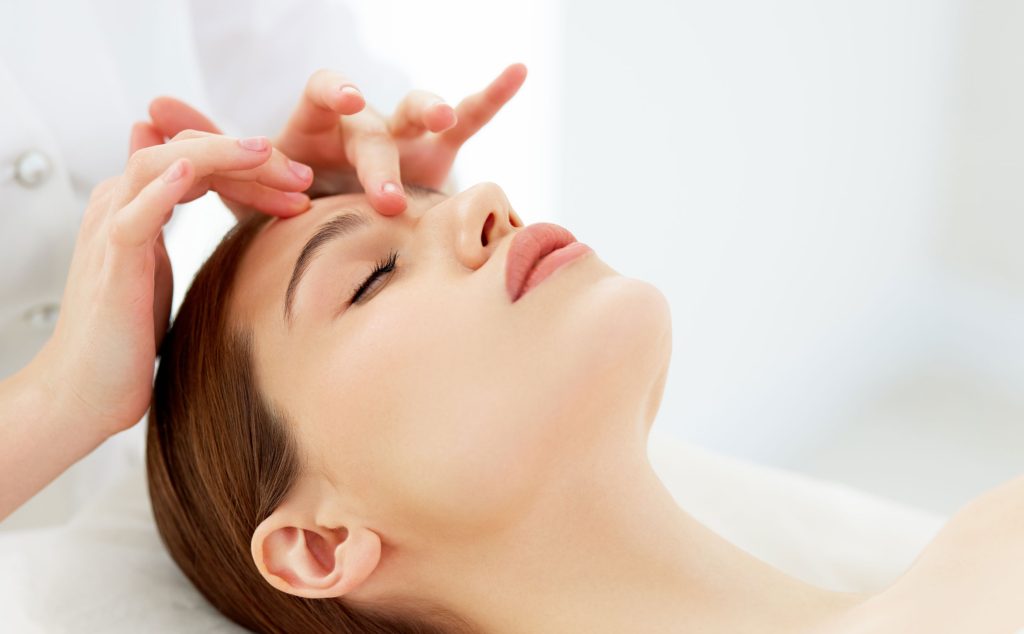
Embracing Serenity: The Stress-Reducing Power of Facial Treatments
One of the most significant psychological benefits of facial treatments is their ability to provide stress relief. In today’s fast-paced world, where deadlines loom and responsibilities accumulate, finding an oasis of calm becomes essential for maintaining mental well-being. Facial treatments offer not just physical rejuvenation but also a moment to step away from life’s pressures. The serene ambiance of a spa, often enhanced by soft lighting and gentle scents, creates an environment where individuals can relax and disconnect from their daily stressors.
Research has shown that engaging in relaxation activities, such as receiving a facial, can lead to a decrease in the production of cortisol, the stress hormone. The incorporation of elements like aromatherapy can amplify these effects; for instance, essential oils like eucalyptus or chamomile have been documented to lower anxiety levels. Many spas across the United States are now offering unique sensory experiences, where customers can choose treatments specifically designed to target stress reduction alongside skincare goals.
Moreover, the physical act of receiving a facial can also be therapeutic. The gentle massage techniques utilized during these treatments not only improve circulation but also promote a sense of calm and tranquility. As clients lay back and let the trained aestheticians work their magic, the mind is often encouraged to enter a state of relaxation that mirrors meditation. This alignment between physical touch and mental release can be a powerful remedy for those grappling with anxiety or stress-related issues.
The Confidence Boost: How Facial Treatments Enhance Self-Image
Another compelling psychological benefit of facial treatments is its role in boosting self-confidence. When individuals invest in their skincare, the results can be transformative, leading to visible improvements in complexion and texture. This physical enhancement has a direct correlation with how one perceives themselves and interacts with the world. For many, catching a glimpse of glowing skin in the mirror can ignite a newfound sense of confidence. With brands like Glossier and The Ordinary advocating for authentic and natural beauty, more individuals are embracing the notion that skincare is a crucial aspect of self-acceptance.
The impact of enhanced self-image is profound. A confidence boost stemming from improved skin health can result in more social interaction, increased participation in activities, and a heightened willingness to put oneself out there, whether in personal or professional settings. Essentially, when individuals feel good about their appearance, they are more likely to take on challenges and seize opportunities that boost their overall well-being.
Mindfulness Through Skincare: A Holistic Approach
Facial treatments also serve as a unique opportunity for practicing mindfulness. The focused environment encourages individuals to engage with the present moment as they experience the sensations of cleansing, exfoliating, and rejuvenating their skin. Mindfulness practices have been lauded for their ability to improve emotional regulation and resilience, making facial treatments an excellent addition to holistic health practices. During these treatments, clients are often encouraged to clear their thoughts and pay attention to the present, which can cultivate a sense of peace and tranquility.
As the dialogue surrounding mental health continues to evolve, the intersection of skincare and psychological benefits is rapidly gaining recognition. Many skincare experts and mental health professionals are now advocating for the integration of self-care routines—particularly skincare regimens—as vital components of overall mental wellness strategies. With this growing awareness, individuals are more empowered than ever to take charge of their emotional health alongside their physical appearance.
The Impact of Facial Treatments on Mental Health
Facial treatments not only enhance physical appearance but also play a significant role in psychological well-being. Engaging in self-care practices, such as getting regular facials, can lead to improved mental health, which is increasingly recognized as being just as vital as physical health. The act of pampering oneself through skincare can promote a sense of relaxation and tranquility, helping to alleviate stress and anxiety. When we receive facial treatments, we often enter serene environments filled with soothing scents and calming music. This multisensory experience allows our minds to unwind, creating a valuable opportunity to disconnect from daily stresses. As per studies, such experiences can lower cortisol levels—the hormone associated with stress—thus fostering emotional stability and enhancing mood.Additionally, facial treatments often include consultation and personalized care from skincare professionals. This interaction fosters a sense of connection and community, which is crucial for emotional health. Feeling heard and supported has been linked with increased self-esteem and confidence, making regular facial treatments a powerful tool in enhancing overall quality of life.Moreover, the visible effects of healthy, glowing skin can contribute to a more positive self-image. When individuals feel good about how they look, it often translates into increased self-confidence and a greater willingness to engage socially. Such social reintegration can combat feelings of isolation and loneliness, promoting a more robust support network and improving mental resilience.Everyone deserves the opportunity to feel rejuvenated, both inside and out. By prioritizing the psychological benefits of facial treatments, we can make substantial strides in enhancing our well-being through mindfulness in skincare.
DISCOVER MORE: Click here to learn about the fusion of biotechnology and natural ingredients in skincare
The Therapeutic Touch: The Role of Estheticians in Emotional Healing
The expertise of a professional aesthetician goes beyond the application of creams and techniques; their role can be seen as part therapist, part skincare guru. The interaction during a facial treatment often fosters a unique bond between the client and the aesthetician. For many, being in the hands of a skilled professional is not just about achieving beautiful skin but also about receiving emotional support. This connection can be therapeutic in itself, providing clients with a space to share their concerns or simply unload the stresses of their day.
Estheticians are increasingly trained in the art of active listening, allowing them to engage in meaningful conversations with clients. Studies suggest that the quality of these interactions can significantly influence a person’s perceived stress levels and overall satisfaction with their experience. Individuals often leave feeling lighter and more centered, thanks to not only the treatment but also the conversation and connection created during the session. The idea of nurturing the mind while improving skin health is a growing trend, and many beauty professionals are embracing this holistic approach.
A Social Experience: The Community Aspect of Facial Treatments
The psychological benefits of facial treatments extend into the realm of social interaction. For many, visiting a spa is a communal event, often shared with friends or family. This social aspect can enhance feelings of happiness and belonging. Participating in group facial sessions or spa days encourages bonding and forms deeper connections among individuals, which are vital for emotional health.
Moreover, such experiences can lead to increased discussions around self-care, mental health, and skincare, further normalizing conversations that may have previously been stigmatized. As beauty salons and spas continue to create community-focused events, the platforms for fostering positive social interactions have never been more accessible. Whether indulging in a relaxing facial or engaging in lively discussions about skincare routines, these experiences reflect a growing movement toward embracing self-care as a shared journey.
Filtering Negativity: The Impact of Skin Health on Mental Wellness
Another psychological benefit that warrants attention is the connection between skin health and mental well-being. Skin conditions such as acne, rosacea, or eczema can profoundly affect one’s emotional state, leading to issues like low self-esteem and increased anxiety. By effectively treating these conditions through specialized facial treatments, individuals often find relief—not just in their physical appearance, but in their mental outlook as well.
A study by the American Academy of Dermatology indicated that individuals with visible skin conditions reported higher rates of anxiety and depression. Therefore, addressing these issues through facial treatments can provide a dual benefit: while improving overall skin conditions, they can also help to alleviate distress, ultimately enhancing quality of life. The ripple effect of improved skin health manifests in enhanced mental clarity and emotional resilience, paving the way for a more positive self-image and outlook on life.
Creating a Routine: The Importance of Consistency in Skincare
Establishing a skincare routine, which often includes regular facial treatments, can also introduce a sense of structure and routine into one’s life. The act of dedicating time for self-care encourages discipline and fosters an environment of inner peace. Routine itself can be a calming ritual, allowing individuals to prioritize their needs amidst a hectic schedule. The psychological comfort derived from engaging in these routine treatments reinforces the idea that taking care of oneself is not just an option but a necessity for mental health.
This consistency can serve as a reminder of the importance of self-worth, helping individuals prioritize their emotional well-being in a demanding world. As a result, more individuals are recognizing the need to integrate facial treatments as a regular part of their self-care regimen, thereby unlocking the full potential of psychological benefits through skincare.
DIVE DEEPER: Click here to learn more
Conclusion: Embracing Self-Care for Mental Wellness
As we explore the multifaceted relationship between skincare and mental health, it becomes clear that facial treatments offer more than just an aesthetic upgrade; they serve as a powerful tool for enhancing overall well-being. From the therapeutic touch of skilled estheticians to the invaluable social interactions found within spa environments, facial treatments become a holistic experience that nourishes both the skin and the mind.
Moreover, addressing skin health directly correlates with psychological well-being. Conditions like acne or rosacea can lead to heightened anxiety and diminished self-esteem. By prioritizing these concerns through effective facial treatments, individuals not only empower their appearance but also cultivate a more positive self-image, resulting in greater emotional resilience. The growing trend of integrating mental wellness with skincare highlights a significant cultural shift toward recognizing that self-care is vital in today’s fast-paced world.
Routine plays a key role in fostering a sense of stability; dedicating time for consistent skincare rituals encourages mindfulness and prioritizes personal needs. As we continue to embrace discussions surrounding self-care and mental health, it is essential to acknowledge the numerous psychological advantages that come from engaging in facial treatments. In doing so, we not only enhance our skin but also elevate our overall quality of life. Thus, for anyone seeking optimal health—both inside and out—facial treatments represent a meaningful journey toward self-acceptance and emotional well-being.
Related posts:
The Role of Professional Facial Treatments in Anti-Aging Regimens
The Rise of At-Home Facial Treatments: Efficacy and Safety
Understanding Skin Types: Tailoring Facial Treatments for Optimal Results
Sustainable Practices in Facial Treatments: Eco-Friendly Skincare Solutions
The Future of Facial Treatments: Trends in Personalized Skincare
The Importance of Personalization in Facial Treatments: How to Find the Ideal Treatment for Your Ski...

Linda Carter is a writer and beauty expert specializing in skincare routines, cosmetic ingredients, and holistic self-care practices. With extensive experience helping individuals achieve healthy, radiant skin and make informed beauty choices, Linda shares her knowledge on our platform. Her goal is to empower readers with practical advice and science-backed strategies for lasting beauty and skin health.