
The Rise of At-Home Facial Treatments: Efficacy and Safety

Understanding the At-Home Facial Treatment Trend
In recent years, the beauty and skincare industry has experienced a significant transformation with the increasing popularity of at-home facial treatments. The convenience of treating your skin in the comfort of your own home has captured the attention of countless consumers, and this trend has only accelerated, particularly in the wake of global events that encouraged people to seek self-care solutions at home.
As people seek effective and cost-efficient solutions, a deeper exploration into the factors fueling this trend reveals intriguing insights:
- Accessibility: The skincare market has seen a surge in the availability of advanced devices and products designed for home use. From LED light therapy masks to microdermabrasion kits, consumers can now purchase premium equipment that was once reserved for professional spas and clinics. Brands like FOREO and NuFACE have made professional-quality treatments accessible, making it easier for individuals to integrate them into their daily routines.
- Affordability: At-home treatments are often less expensive than salon services. For instance, a professional facial might cost anywhere from $75 to over $200, depending on the type of treatment and geographic location. In contrast, a high-quality at-home facial kit may range from $30 to $100 and can provide multiple treatments. This distinct price advantage appeals to budget-conscious consumers eager to achieve glowing skin without breaking the bank.
- Privacy: Many individuals prefer the discretion of home treatments, particularly those who may feel self-conscious about their skin concerns. The comfort of one’s own space allows for a more relaxed and personalized experience. Moreover, some consumers appreciate the opportunity to explore various techniques without the pressure or scrutiny often found in a salon environment.
Understanding Efficacy and Safety
While the allure of convenience is undeniable, it raises important questions regarding efficacy and safety. Are these at-home options as effective as professional treatments? Furthermore, are they safe to use without expert guidance? The answer isn’t straightforward and can depend on multiple factors such as individual skin types, the products used, and the specific conditions being addressed.
Scientific studies have shown that some at-home treatments can indeed yield significant results. For instance, consistent use of retinol products can visibly reduce fine lines and improve skin texture over time. However, potential misuse—such as overusing potent ingredients—can lead to skin irritation or adverse reactions. Consumers are encouraged to educate themselves about the products they choose, and consulting a dermatologist can add another layer of safety.
Unpacking these concerns allows consumers to make informed decisions about their skincare routines. As trends continue to evolve, the market for at-home beauty solutions is projected to grow steadily, with predictions showing a rise in demand. Experts suggest that as technology advances, more efficient and safer at-home devices and products will emerge, further maintaining consumer interest.
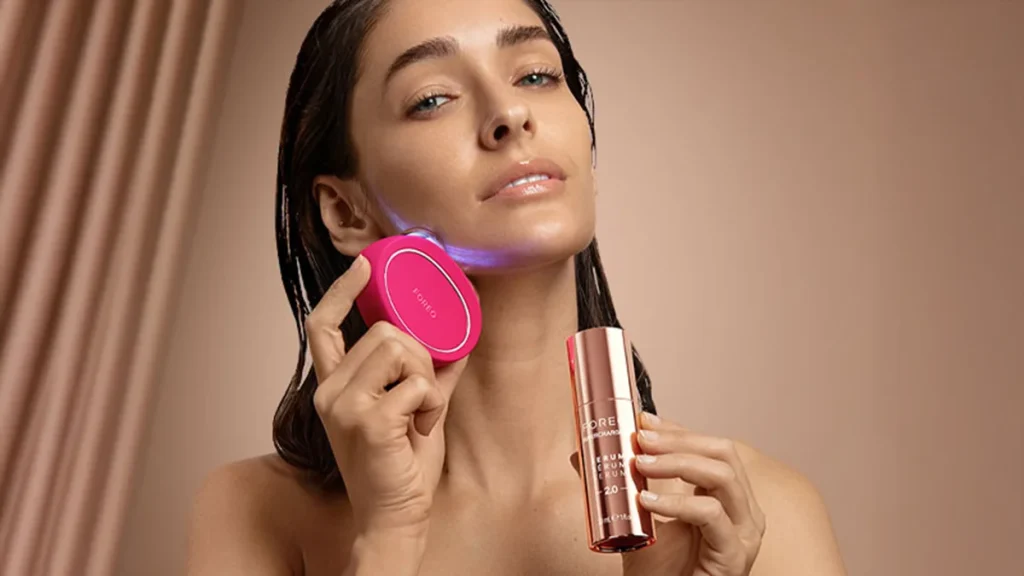
Investigating the effectiveness and safety of at-home facial treatments could lead you to reconsider your own skincare approach and preferences. This exploration might not only prompt a shift in your routine but also inspire you to discover new products and methods that align with your beauty goals. Get ready to dive deeper into the nuances of this rising phenomenon and how it reshapes our approach to skincare.
DIVE DEEPER: Click here to discover the benefits of fermentation in skincare
Navigating the Landscape of At-Home Facial Treatments
The at-home facial treatment trend has redefined personal skincare, signaling a shift where consumers are taking control of their beauty routines. With a diverse array of products offering various skin benefits, it can be both exciting and overwhelming for individuals eager to explore this new frontier. This section delves deeper into the efficacy and safety of these treatments, emphasizing the importance of understanding what actually works and what could potentially harm your skin.
When assessing the effectiveness of at-home facial treatments, it is crucial to consider the active ingredients and techniques being utilized. Unlike conventional spa experiences, where licensed professionals curate treatments tailored to individual skin needs, home treatments often require consumers to find the right balance on their own. As a result, here are a few key factors to keep in mind:
- Ingredient Familiarity: Knowledge of skincare ingredients is paramount. Active components like hyaluronic acid, peptides, and salicylic acid are heralded for their benefits. For example, hyaluronic acid is renowned for its ability to maintain moisture, providing a plumping effect that may help reduce the appearance of fine lines. On the other hand, over-the-counter retinoids can be potent and should be introduced gradually to avoid irritation.
- Consultation Opportunities: While many are opting for DIY treatments, consulting a dermatologist or skincare professional can significantly enhance safety and effectiveness. They can recommend products best suited to different skin types and conditions, and guide users on how to incorporate them properly into their routines.
- Common Misconceptions: The assumption that all at-home products are entirely safe can lead to unintended consequences. For instance, excessive exfoliation with at-home devices or chemical peels can strip the skin of its natural barriers, resulting in increased sensitivity or breakouts. Being well-informed about product usage protocols is essential.
Furthermore, the realm of technology in skincare has evolved immensely, with numerous devices designed specifically for at-home use. From cleansing brushes to LED therapy lights, many of these tools purport to replicate professional treatments. Research indicates that technological advancements have brought efficacy closer than ever to salon-quality results. However, scientific validation of these claims is crucial; not every device works for everyone. For example, while LED masks can assist in reducing inflammation and breakouts, ones that claim anti-aging effects might be overstated without adequate clinical research backing them.
As the at-home facial treatment phenomenon grows, consumer responsibility becomes more prominent. Effectively navigating this landscape requires a commitment to education. Ultimately, understanding the science behind ingredients and technologies empowers users to make informed choices that align with their skincare goals.
By weighing the benefits against potential pitfalls, consumers can develop a tailored skincare regimen that embraces at-home treatments while prioritizing both efficacy and safety. The journey through the myriad of options available is an invitation for individuals to explore personalized care that can enhance their confidence and enjoyment of skin health.
The Rise of At-Home Facial Treatments: Efficacy and Safety
In recent years, at-home facial treatments have surged in popularity, driven by advancements in technology and a growing emphasis on self-care. As consumers increasingly seek convenient and effective skincare solutions, the efficacy of these treatments has come under scrutiny. It’s essential to understand both the benefits and limitations of these products.
Many at-home facial treatments utilize high-quality ingredients that can deliver impressive results. Products containing active ingredients, like retinol or hyaluronic acid, have been clinically proven to enhance skin texture and hydration. Additionally, supporting technologies such as LED light therapy devices and microcurrent tools are designed to replicate spa-like results in the comfort of your home. These innovations not only save time but also make skincare more accessible, catering to varying budgets.
| Category | Advantages |
|---|---|
| Convenience | Allows flexible usage without scheduling spa appointments. |
| Cost-Effectiveness | Often more affordable than regular professional treatments. |
However, it is crucial to note that not all at-home treatments are created equal. Safety issues can arise from improper use or incorrect product selection, particularly for those with sensitive skin or specific skin conditions. Therefore, it’s vital for consumers to conduct thorough research or consult skincare professionals before incorporating new products into their routines.
The efficacy of at-home facial treatments can be significantly amplified by understanding one’s unique skin type and concerns. Regular use, coupled with a consistent skincare regimen, can yield results over time. This rising trend can lead to a more empowered consumer base, able to curate effective skincare routines that fit their lifestyles.
DISCOVER MORE: Click here to learn about the role of cultural practices in skincare
The Balancing Act of Efficacy and Safety in At-Home Facials
As the at-home facial treatment market burgeons, understanding the balance between efficacy and safety becomes paramount. While the surge of available treatments can be exhilarating, it can also lead to potential misuse and unintended consequences. One critical aspect is the diverse range of skin types and conditions that exist, which can influence the effectiveness of various treatments. Tailoring the regimen to suit one’s unique skin needs is essential for achieving desired results.
One major factor contributing to the efficacy of at-home facials lies in user education. Recognizing how skin types differ from one another—whether oily, dry, combination, or sensitive—can dictate the type of products that should be selected. For instance, individuals with oily or acne-prone skin may benefit from salicylic acid cleansers and oil-free moisturizers, whilst those with dry skin could lean toward cream-based cleansers and rich hydrating serums. This understanding not only maximizes the benefits but also minimizes the risk of adverse reactions.
Moreover, the timing and frequency of at-home treatments play a critical role in their efficacy. Overindulgence in quick-fix solutions can lead to irritation or damaging the skin barrier. Important rituals, such as allowing adequate recovery time between chemical peels or LED therapy sessions, can enhance the overall experience without succumbing to the ‘more is better’ mentality. For example, dermatologists often recommend limiting exfoliation to once or twice a week, providing the skin necessary time to rejuvenate.
Another vital component in the safety evaluation of at-home treatments is to be conscious of expiring ingredients. Many products come with an expiration date or designated period after opening. Using outdated products can lead to ineffective results and potential skin irritations, as the active ingredients may degrade over time. Consumers should remain vigilant about their product shelf life to maintain efficacy and safety.
The emergence of peer-reviewed studies and consumer reviews can assist individuals in making informed choices regarding their at-home treatments. For instance, clinical trials for specific brands or technologies are invaluable resources. Research has demonstrated that certain at-home devices, such as microcurrent tools, can indeed enhance skin tone and texture. However, the variability in outcomes prompts the need for further investigation into long-term effects and safety. Engaging with reviews across reputable platforms can bolster consumer confidence and guide buyers towards more reliable products.
In addition, the role of social media cannot be overlooked in shaping perceptions about at-home treatments. Influencers and beauty enthusiasts frequently share their personal experiences, but this can create a biased view of product efficacy. Validating claims through fact-based research and expert opinion remains essential. While the allure of trending products can be tempting, skepticism can preserve safety and effectiveness in skincare routines.
As consumers delve deeper into the world of at-home facial treatments, an added focus on education, personalized regimen adjustments, and awareness of expiration dates will promote better skincare practices. With thoughtful consideration of both efficacy and safety, individuals can harness the power of at-home skincare innovations to elevate their beauty routine while safeguarding their skin’s health. The blend of scientific knowledge and personal experience will ultimately guide consumers on their journey through this evolving landscape of skincare options.
DISCOVER MORE: Click here to learn about the benefits of essential oils in skincare
Conclusion: Navigating the At-Home Facial Landscape
The trend of at-home facial treatments reflects a growing desire for personalized skincare that caters to individual needs while accommodating busy lifestyles. With advancements in technology and product formulation, consumers now have access to an impressive array of options designed to enhance skin health. However, as we embrace the convenience of these treatments, it is crucial to maintain a vigilant approach to both efficacy and safety. Understanding the unique characteristics of one’s skin type, alongside proper education on product usage, is imperative to achieving optimal results.
As underscored in the discussion, moderation is essential; adopting a thoughtful routine that respects the skin’s natural cycles can greatly enhance the effectiveness of at-home treatments. Furthermore, staying informed about product expiration dates and engaging with reliable research will empower consumers to make decisions grounded in both safety and efficacy. The right combination of evidence-backed practices and a discerning eye toward trends can help individuals navigate potential risks associated with the at-home facial landscape.
Ultimately, the rise of at-home facial treatments is not solely about convenience but is an opportunity for greater involvement in personal skincare journeys. By striking the right balance between education, personalized care, and skepticism towards overly-hyped products, consumers can fully embrace this trend while prioritizing their skin’s health. As we continue to explore and innovate in this arena, those who approach at-home facials with caution and curiosity will reap the long-term rewards of radiant, healthy skin.
Related posts:
The Influence of Seasonal Changes on Facial Treatment Choices
Understanding Skin Types: Tailoring Facial Treatments for Optimal Results
The Psychological Benefits of Facial Treatments: Enhancing Well-Being Through Skincare
The Importance of Consistency: Building a Facial Treatment Routine
The Role of Professional Facial Treatments in Anti-Aging Regimens
Anti-Aging Facial Treatments: What Works and What Doesn't

Linda Carter is a writer and beauty expert specializing in skincare routines, cosmetic ingredients, and holistic self-care practices. With extensive experience helping individuals achieve healthy, radiant skin and make informed beauty choices, Linda shares her knowledge on our platform. Her goal is to empower readers with practical advice and science-backed strategies for lasting beauty and skin health.