The Role of Lifestyle Factors in Sun Protection: Diet, Hydration, and Skincare
Comprehensive Sun Protection Strategies
While many individuals instinctively reach for sunscreen as their primary shield against the sun’s harmful UV rays, it is essential to recognize that lifestyle factors play a crucial role in enhancing our overall sun protection strategy. By delving into the interconnectedness of diet, hydration, and skincare routines, we can build a more effective defense against sun damage, thereby promoting healthier skin.
Key Lifestyle Factors
- Diet: A nutrient-rich diet can significantly bolster skin resilience against UV damage. Foods rich in antioxidants, such as blueberries, strawberries, and kale, contribute to neutralizing free radicals produced by sun exposure. These antioxidants help repair and protect skin cells, reducing the risk of sunburn and long-term damage. Additionally, vitamins C and E found in citrus fruits and nuts also support skin health by promoting collagen production and enhancing skin’s natural barrier. It is worthwhile to integrate these foods into your daily meals, not only for general health but also for your skin’s defense.
- Hydration: Consistent hydration is integral for maintaining skin health and vitality. When you are well-hydrated, your skin is more likely to retain its elasticity and glow, acting as a better barrier against the sun. Dehydration, on the other hand, can lead to increased skin sensitivity and a greater risk of sunburn. Aim to drink at least eight glasses of water daily, and consider hydrating foods such as cucumbers, watermelon, and oranges, which also provide additional vitamins and minerals beneficial for skin health.
- Skincare Products: Investing in high-quality skincare products can significantly enhance your skin’s protective barrier. Look for broad-spectrum sunscreens that contain active ingredients like zinc oxide and titanium dioxide, which not only reflect UV radiation but also provide a physical barrier against environmental pollutants. Choosing moisturizers containing these minerals can further protect your skin, especially during prolonged sun exposure. Consider incorporating serums rich in hyaluronic acid and peptides to maintain skin hydration and integrity.
In the United States, awareness of sun protection and skin health has grown in recent years, yet many people still overlook the importance of lifestyle choices. Simple, healthy habits can significantly reduce the risk of sunburn, premature aging, and skin cancers, conditions that have been on the rise. Adopting a proactive stance by nourishing your body and skin can yield long-term benefits, not just aesthetically but also in terms of overall health. Embracing a comprehensive lifestyle approach toward sun protection invites us to recognize the synergy between our daily choices and the health of our skin.
By prioritizing diet, hydration, and effective skincare, we can transform our sun protection routines into holistic practices that nurture our skin from the inside out. As we continuously explore these avenues, we become more empowered to safeguard our skin against the relentless effects of sun exposure.
DISCOVER MORE: Click here to learn how your diet impacts your skin
The Significance of Diet in Solar Defense
When discussing sun protection, diet may not be the first consideration that comes to mind; however, the food we consume has a profound impact on our skin’s ability to withstand sun damage. Numerous studies underline how a well-balanced diet composed of vital nutrients can not only bolster our immune system but also serve as a powerful ally in protecting our skin from the harmful rays of the sun.
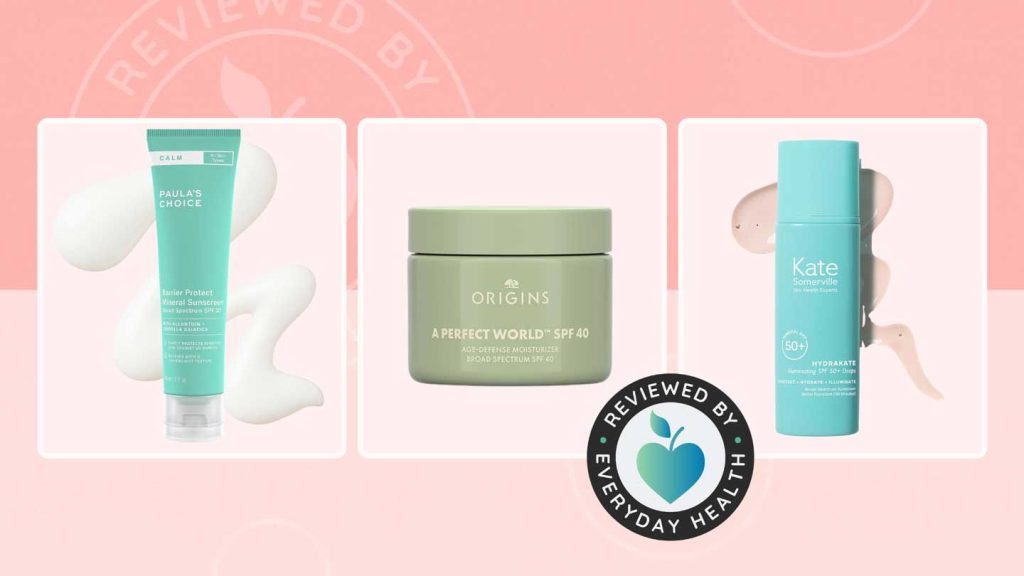
Foods that are rich in antioxidants play a pivotal role in neutralizing harmful free radicals generated by UV exposure. Including a variety of fruits and vegetables in your meals can be a delicious way to enhance your sun protection. Some top contenders include:
- Berries: Blueberries and strawberries are packed with vitamins that can help repair damaged skin cells.
- Leafy Greens: Kale and spinach are excellent sources of carotenoids, compounds that can improve skin resilience.
- Citrus Fruits: Oranges and lemons provide vitamin C, critical for collagen production, which helps maintain skin’s strength and elasticity.
- Nuts and Seeds: Almonds and sunflower seeds are not only nutritious but also offer high levels of vitamin E, a key player in maintaining skin health.
Additionally, it is essential to note the link between dietary fats and skin health. Incorporatingomega-3 fatty acids found in fish like salmon, as well as walnuts and flaxseeds, can enhance skin moisture and decrease inflammation, further amplifying the skin’s natural defenses against sun damage.
The Essential Role of Hydration
Another critical component of an effective sun protection strategy is hydration. Water is the essence of life and plays a vital role in maintaining skin health. When our bodies are sufficiently hydrated, our skin retains its elasticity, appears more radiant, and acts as a robust barrier against environmental aggressors, including UV rays.
Dehydrated skin can become flaky, sensitive, and more susceptible to sunburn. The risk of sun damage can increase significantly when the skin lacks moisture. Experts recommend consuming at least eight glasses of water a day, but this can vary based on individual activity levels and climate conditions. In regions with warm climates, such as the southern United States, increased fluid intake is essential, particularly during summer months.
Beyond drinking water, hydrating foods can also play a part in skin hydration. Incorporating fruits and vegetables like cucumbers, watermelon, and oranges into your diet can help fulfill hydration needs while providing additional vitamins and minerals. Staying hydrated will not only support overall bodily functions but also ensure your skin is well-equipped to face the sun.
Skincare Routines: Building a Protective Barrier
In tandem with diet and hydration, a thoughtful skincare routine can extensively elevate your skin’s ability to protect itself from sun damage. Choosing the right products tailored to your skin type can make a substantial difference. Look for broad-spectrum sunscreens with at least SPF 30, as these guard against both UVA and UVB rays.
Moreover, integrating moisturizers containing minerals like zinc oxide and titanium dioxide can further enhance skin defense during outdoor activities. These physical blockers not only reflect harmful UV radiation but also provide additional protection from environmental pollutants. Additionally, using serums enriched with hyaluronic acid can aid hydration levels, promoting plump, youthful skin.
As we explore how best to protect our skin from sun damage, blending lifestyle adjustments with well-informed skincare choices will create a holistic approach to sun safety. These actionable steps allow us to face the sun with confidence and awareness, emphasizing the synergy between our choices and the health of our skin.
| Lifestyle Factor | Advantages of Sun Protection |
|---|---|
| Diet | A diet rich in antioxidants helps fight skin damage caused by UV rays, providing essential nutrients that promote healthy skin. Foods like berries, tomatoes, and green leafy vegetables are key players in enhancing natural skin defenses. |
| Hydration | Staying well-hydrated is vital as it maintains skin elasticity, preventing dryness and flakiness. Proper hydration aids in optimizing skin barrier function, making skin more resilient against sun exposure. |
| Skincare | Incorporating broad-spectrum SPF into daily skincare regimes protects against both UVA and UVB rays, significantly reducing the risk of skin cancer and premature aging. |
Understanding the intricate relationships between these lifestyle factors and sun protection can lead to enhanced skin health and resilience. Moreover, embracing a proactive approach can help individuals develop a robust sun protection strategy that not only mitigates damage but also promotes overall well-being. This holistic perspective emphasizes the essential role of individual lifestyle choices in safeguarding skin health from harmful sun exposure. Incorporating a diet high in antioxidants, maintaining hydration, and utilizing effective skincare products creates a supportive environment for the skin. Therefore, adjusting these lifestyle factors is not simply beneficial—it’s vital in combating the adverse effects of sun exposure. Engaging with these concepts may inspire individuals to take actionable steps toward a healthier lifestyle while enjoying the sun safely.
DISCOVER MORE: Click here to learn about seasonal influences on skin care
The Impact of Skincare Ingredients on Sun Protection
Beyond the basics of sunscreen and moisturizers, understanding the ingredients in your skincare products can further enhance your skin’s defenses against sun damage. The beauty industry has evolved significantly over the years, with a rising trend towards incorporating potent active ingredients that not only nourish the skin but also provide additional layers of protection from harmful rays.
One notable ingredient is niacinamide, a form of vitamin B3 that serves as a powerful antioxidant. Studies have demonstrated that niacinamide can enhance the skin’s barrier function, improving its resilience to UV exposure while reducing inflammation. This is particularly beneficial for individuals who might experience sunburn or irritation following sun exposure.
Vitamin C is another key ingredient that has gained popularity in recent years for its ability to neutralize free radicals. Applying a vitamin C serum in the morning can significantly complement your sunscreen routine. A study published in the journal *Nutrients* found that vitamin C can enhance the photoprotective effects of topical sunscreen application, highlighting the importance of layering antioxidants with sun protection.
- Green Tea Extract: Packed with polyphenols, green tea extract offers impressive anti-inflammatory properties. Topical applications can soothe the skin and reduce the damaging effects of UV exposure, making it a great addition to your SPF regimen.
- Retinoids: Commonly used for their anti-aging benefits, retinoids can also improve skin cell turnover and help repair sun-damaged skin. Incorporating retinoids into your evening skincare routine may reduce the appearance of dark spots and pigmentation resulting from sun exposure.
The Importance of Protective Clothing and Lifestyle Choices
While diet, hydration, and topical skincare products play significant roles in sun protection, lifestyle choices cannot be overlooked. How we conduct our lives in relation to sun exposure greatly impacts our skin’s health. For instance, donning protective clothing such as wide-brimmed hats and long sleeves can provide physical barriers against direct sunlight.
Additionally, timing your outdoor activities can further mitigate sun exposure. The UV index peaks during the hours of 10 AM to 4 PM, making it crucial to seek shade or schedule outdoor plans outside of these times. Digital resources such as weather apps now feature UV index forecasts, providing real-time information to help you plan your day.
Moreover, staying informed about your specific skin type can guide your lifestyle choices. Fair-skinned individuals or those with a history of skin cancer must take extra precautions, such as applying a broad-spectrum sunscreen of SPF 50 or higher, and reapplying every two hours, particularly after swimming or sweating.
Adopting regular skin checks as part of your overall wellness can also be invaluable. Regular visits to a dermatologist for skin examinations can aid in early detection of any potential issues caused by the sun, including skin cancer. The American Academy of Dermatology recommends monthly self-examinations to monitor changes in moles or skin texture.
In combining a healthy diet, proper hydration, effective skincare products, protective clothing, and informed lifestyle choices, individuals can create a robust shield against sun damage. As we learn more about how our choices affect skin health, integrating these components can lead to a proactive approach in sun protection—helping ensure the skin remains vibrant and resilient against the sun’s harmful rays.
DISCOVER MORE: Click here to learn about broad-spectrum sunscreens
Conclusion: A Holistic Approach to Sun Protection
In the quest for effective sun protection, embracing a holistic approach that encompasses diet, hydration, and skincare is paramount. Our skin is not only a protective barrier but also a reflection of our overall health. By prioritizing a nutrient-rich diet laden with antioxidants, fats, and vitamins, individuals can bolster their skin’s natural defenses against harmful UV rays. Hydration plays a critical role, too, as well-hydrated skin is more resilient and better equipped to fend off sun damage.
Skincare products enriched with powerful ingredients such as niacinamide, vitamin C, and green tea extract can enhance our protection strategy, synergizing beautifully with traditional sunscreen. Moreover, integrating lifestyle choices—like wearing protective clothing and being mindful of peak UV exposure times—further solidifies our skin’s defenses. Early detection through regular skin checks with a dermatologist is essential, especially for those at higher risk of skin-related issues.
Ultimately, understanding that sun protection is not merely a seasonal duty but a year-round commitment is crucial. By weaving together these lifestyle factors, we can simplify the extraordinary task of shielding our skin, ensuring it remains vibrant and healthy for years to come. Take these insights as an invitation to explore your own sun protection regimen, paving the way for informed choices that will have lasting impacts on your skin health.
Related posts:
Childhood Sun Protection: Establishing Lifelong Habits for Healthy Skin
Natural vs. Chemical Sunscreens: Which is Best for Your Skin Type?
The Science Behind Tinted Sunscreens: Benefits Beyond UV Protection
The Evolution of Sun Protection Formulas: From Traditional Creams to Modern Innovations
The Evolution of Sunscreens: Technological Innovations and Natural Ingredients for Effective Protect...
Sun Protection and Skin Aging: How UV Rays Affect Your Complexion

Linda Carter is a writer and beauty expert specializing in skincare routines, cosmetic ingredients, and holistic self-care practices. With extensive experience helping individuals achieve healthy, radiant skin and make informed beauty choices, Linda shares her knowledge on our platform. Her goal is to empower readers with practical advice and science-backed strategies for lasting beauty and skin health.